Open Journal of Tropical Medicine
Positive-Effect (PE) of Biomedicines Song with Exercise (BMSWE) fit for Election-Duty (ED)-2026 on Aged Colorectal Major Surgery Chemotherapy (ACRMSCT) Follow-Up Patient (FUP) with Prolonged Side-Effects (PSE)
1PhD, Department of Zoology, VisvaBharati, Santiniketan-731235, India
2Headmaster, Kanchannagar D. N. Das High School (HS), Burdwan-713102, West Bengal, India
Author and article information
Cite this as
Datta SC. Positive-Effect (PE) of Biomedicines Song with Exercise (BMSWE) fit for Election-Duty (ED)-2026 on Aged Colorectal Major Surgery Chemotherapy (ACRMSCT) Follow-Up Patient (FUP) with Prolonged Side-Effects (PSE). Open J Trop Med. 2026; 10(1): 1-24. Available from: 10.17352/ojtm.000033
Copyright License
© 2026 Datta SC. This is an open-access article distributed under the terms of the Creative Commons Attribution License, which permits unrestricted use, distribution, and reproduction in any medium, provided the original author and source are credited.Introduction: The number of colorectal cancer survivors (CRCS) living with long-term chemotherapy (LTC) follow-up and patient treatment-related complications is rapidly increasing, with about two million new cases of colorectal cancer (CRCC) from 2022, out of two- thirds ( 2/3) of cancer cases in the world. There are numerous effective remedial approaches for CRCC with its complications after surgery and chemotherapy (CT) or radiation therapy (RT). Even gut microbiota metabolites affect CT in CRC and gastric cancer (GC) patients. Primarily, it uses personalized medicine (PM), common foods (CF), and immune-nutrition gut microbiota (INGM) in patients undergoing CRC surgery.
Objectives: To overcome these situations, the main objectives of the current study are to observe the positive effect (PE) of the biomedicine song with exercise (BMSWE) fit for the election duty 2026 on a 59-year-old (aged) colorectal major surgery chemotherapy follow-up patient with prolonged side effects (SE).
Methods: Biomedicine’s mixture, sour, and chantey (BMMSC) are prepared from weeds, vegetables, fruits, and spices. The BMMSC serves a meal twice daily, with a 12h interval, every day, to the follow-up patient, who is associated with regular hearing song, morning walks, and some freehand exercises with an awareness-updated programme.
Result: Biomedicine song and walking exercises (BMSWE) for the aged colorectal cancer patient (CRCP) have a “positive effect (PE)” on improving quality of life and reducing more than 15 “unspecified side effects (USE)”. The BMSWE offers many key benefits for managing post-chemotherapy (PCT) and post-surgical recovery (PSR) of severely affected long-term side effects (LTSE), including obesity.
Conclusion: The ‘PE’ of ‘BMSWE’ on a 59-year-old patient undergoing CRC major surgery, CT follow-up with prolonged side-effects (SE), reduces the intensity of more than 15 unspecified “Toxic-Effects (TE)”, assuming like a healthy person, improving quality of life and reducing treatment-related uneasiness that misleads the doctors of the “Medical Board (MB)”, suggesting or demanding physically “Fit for Election Duty 2026 (FFED)”. But the ‘Question’ arises, “Election duty (ED) involves long hours, high stress, and often travel to remote polling stations, which may be challenging for a patient with prolonged side effects, i.e., persistent health issues where the “Treating Doctor (TD) / Surgical Oncologist (SO) cum Medical Director (MD)” advises “Not to Undergo Heavy Work for the Rest of Life”. And the ‘Election Commission (EC)’ and the ‘Medical Board (MB)’, grant exemptions for “Medical Emergencies (ME)” or “Chronic Debility Complications (CDC)” that typically qualify for exemption three times previously from 2018.
PE: Positive Effect; BMSWE: Biomedicines Song with Exercise; ED: Election-Duty; ACRMSCT: Aged Colorectal Major Surgery Chemotherapy; FUCP: Follow-up Cancer Patient; CRCS: Colorectal Cancer Survivors; LTC: Long-Term Chemotherapy; BMMSC: Biomedicine’s Mixture, Souring/Seasoning/Sauce, and Chantey; CRCC: Colorectal Cancer Cases; CT: Chemotherapy; RT: Radiation Therapy; GC: Gastric Cancer; PM: Personalized Medicine; CF: Common Foods; INGM: Immune-Nutrition Gut Microbiota; PCT: Post-Chemotherapy; PSR: Post-Surgical Recovery; LTSE: Long-Term Side Effects; TE: Toxic-Effects; PE: Positive Effect; SE: Side Effects; TD: Treating Doctor; EC: Election Commission; MB: Medical Board; MD: Medical Director; FFED: Fit For Election Duty; ME: Medical Emergencies; CDC: Chronic Debility Complications
Introduction
The number of Colorectal Cancer Survivors (CRCS) living with Long-Term Chemotherapy (LTC) follow-up patients and patient treatment-related complications is rapidly increasing. Colorectal cancer is the third most common cancer worldwide, accounting for approximately 10% of all cancer cases, predominantly affects individuals aged 50 and above, and is the second leading cause of cancer-related deaths worldwide [1]. Nearly two million new cases of Colorectal Cancer (CRC) (Figure 1) from 2022, out of two- thirds (2/3) of cancer cases in the world [1]. Carlile and McAdam report, “The Long-Term and Late Effects of the Diagnosis and Treatment of Colorectal Cancer” [2]. Global and regional cancer burden attributable to modifiable risk factors to guide prevention [3]. It is found in “Global Cancer Observatory: Cancer Today” [4]. Major postoperative complications following elective resection for colorectal cancer (Figure 1) decrease long-term survival but not the time to recurrence [5]. Efficacy and safety of oral 5-FU-based adjuvant chemotherapy in geriatric patients with colorectal cancer: Integrated analysis of seven clinical trials conducted at the “Japanese Foundation for Multidisciplinary Treatment of Cancer” [6]. So, the numerous effective remedial approaches for CRCC and their complications after surgery and chemotherapy (CT) or Radiation Therapy (RT) [1-6] or the “Colorectal Cancer: Therapeutic Approaches and Their Complications” [7]. The Coriolus (Trametes) versicolor mushroom may help reduce adverse effects from chemotherapy or radiotherapy in people with colorectal cancer [8]. Even gut microbiota metabolites affect CT in CRC and GC gastric cancer [9]. The impact of enteral immunonutrition on gut microbiota in patients with colorectal and gastric cancer during the preoperative period: Preliminary results of a randomised clinical trial [10]. Primarily, it uses Personalized Medicine (PM), Common Foods (CF), and immune-nutrition gut microbiota (INGM) in patients undergoing CRC surgery [10-17]. Biomedicine and biotechnology impact public health [18]. Progress in bioprinting and its potential also impacted health-related quality of life [19]. Datta (2022) is already seen in “Biomedicines-Meal-Physiology’s Focused ‘Global-Health Scientific-Technical-Research-Ecology Biodiversity-Wildlife-Conservation Issues’” [20]. He also reports, “Spices Tropical-Traditional-Bio-Medicines (STTBM) protect public health” [21]. Datta and Mukherjee (2022) note, “Only Biomedicines-Meals (BM) Act as the ‘Preventive-Immunity Booster-Community-Vaccine (PIBCV)’ Against ‘Omicron’ Enriching Global-Public-Health Forestry Agriculture Environment Biodiversity Wildlife Conservation Medical-Research Science Technology Communication Applications (GPHFAEBWCMRSTCA) [22] ?”
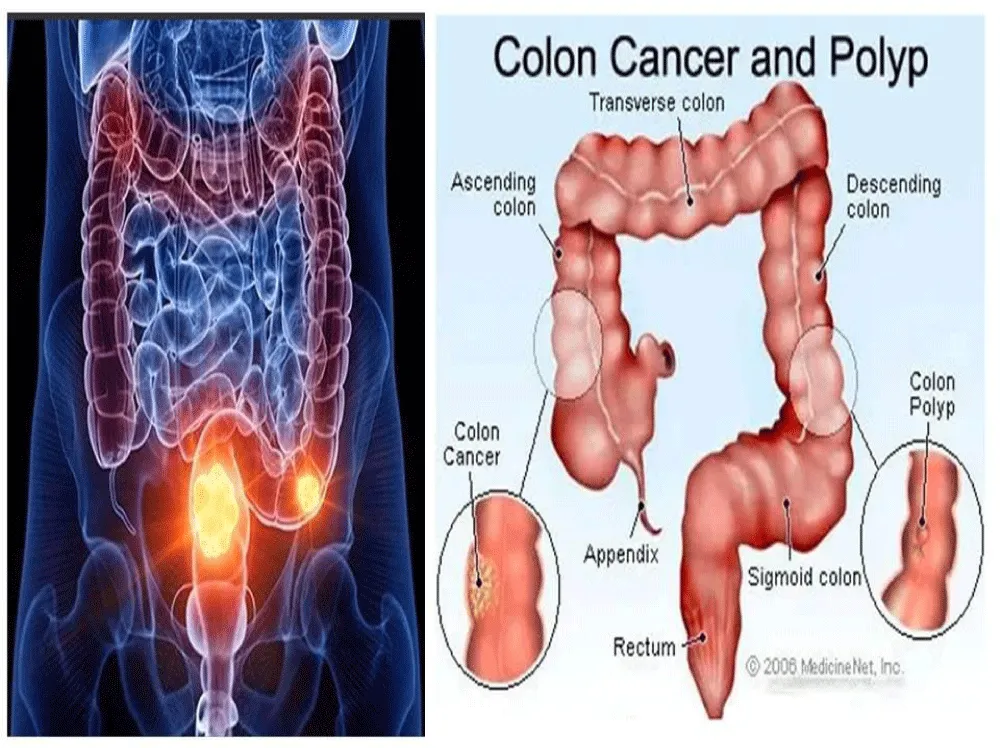
Objectives: To overcome these situations, the main objectives of the current study are to observe the positive effect (PE) of the biomedicine song with exercise (BMSWE) fit for the election duty 2026 on a 59-year-old (aged) colorectal major surgery chemotherapy follow-up cancer patient with prolonged side effects.
Materials and methods
Studies evaluating chemotherapy for major colorectal surgery investigate either neoadjuvant (preoperative) or adjuvant (postoperative) systemic regimens to improve survival and reduce recurrence. Patient selection strictly balances oncological stage with the patient’s physiological fitness, aiming to administer treatment within 6 to 8 weeks post-operation. Colorectal oncology research uses a range of designs, from retrospective database cohorts to prospective, multicenter randomized controlled trials (RCTs). Evaluate chemotherapy following surgical resection. Studies typically stratify patients by tumor stage, gene status (MMR/MSI), and fitness scores before randomizing between different drug combinations (e.g., FOLFOX) or durations (3 vs. 6 months) [23a-23c].
Study Design (SD)
SD shows an overview of how the study met its main goals. It shows that FUCRCP is suitable for election duty after the SI MHBME approach in AO. The 59-year-old 9-year FUCRCP is the sample. Is the sample socially reputable? The first occurrence (FO) of CRC was on November 8, 2016, accompanied by symptoms. Where was the patient admitted? What types of treatments were given? What were the findings from the treatments? Is there necessary information about personal and family history (PPAFH)? What are the relevant regional and reputable options? What key factors should be evaluated? What essential questions should be asked of the surgeon? What tests exist for colon cancer (CC)? Is a consultation with oncologists required? Is it crucial to choose a colorectal cancer treatment team (CCRCTT) and a hospital? Is admission for final treatment and surgery necessary? After admission, there is an operation note, various reports, an opinion, a discharge summary after surgery (DSAS), a final diagnosis (FD), a treatment summary (TS), discharge advice (AD), a discharge summary after chemotherapy (DSACT), a final diagnosis (FD), a treatment summary (TS), advice on discharge (AD), and an estimate of the current position of the 9-Year FUCRCP. There are current global trends (CGT), the current clinical position and guidelines (CCPG), emerging technologies (ET), challenges of survivorship, side effects of the colorectal cancer follow-up patient (SE CRCFUP), long-term physical effects (LTPE), long-term survival and recurrence rates (LTSRR), and diagnostic tests for colon cancer follow-up patients. The Diagnostic and Surveillance Tests Chart (Years 6-10) outlines pathways to well-being (PWWB), opinions, a survivorship follow-up care plan (SFUCP), psychological well-being from social media platforms (PWBFSMP), managing follow-up care (MFUC), selecting biomedicine food (BMF), preparing biomedicine (PBM), walking with self-improvised mental-health-biomedicine-exercise (SI MHBME), physiotherapy (PT), BM awareness well-being (BMAW), tracing in advanced oncology (TAO), medical conditions and clinical trial protocols (MCCP), legally or administratively eligible criteria for mandatory civil Election Duty (ED), eligibility for FUCRCP to election duty (EED), key exemption rules and considerations (KERC), data analysis (DA), the procedure for applying for medical exemption in West Bengal, how mental strength reduces side effects, how to build psychological resilience, helpful resources (HR), essential questions to ask the MB, and follow-up on medical board (FUMB). All these factors are important for fully achieving the main objectives [1-7,11,13-15,17,23].
Inclusion and Exclusion Criteria (IEC)
Patient selection for clinical trials and treatment pathways follows standardized eligibility protocols [23-23e]:
Inclusion Criteria (IC)
Pathological Staging: Histologically confirmed Stage II or Stage III colorectal cancer.
Performance Status: An ECOG (Eastern Cooperative Oncology Group) score of 0 to 1.
Organ Function: Adequate bone marrow, renal, and hepatic function to tolerate toxicities.
Exclusion Criteria (EC)
Advanced/Metastatic Disease: Distant, unresectable metastases (unless the study specifically targets Stage IV).
Frailty/Advanced Age: Patients over 75 years old, or those unable to withstand intensive toxicities.
Comorbidities: Uncontrolled heart disease, renal dysfunction, or active infections.
Prior Malignancies: A history of previous cancers that could confound trial endpoints.
Chemotherapy Patient Selection Process (CTPSP)
Selecting patients for perioperative chemotherapy involves a multidisciplinary evaluation to maximize survival benefits while minimizing severe adverse events. The process includes [23c]:
Staging: Clinical and radiological staging is done to assess if the tumor is localized (Stage I-III) or advanced.
Histological and Genetic Profiling: Tumors are tested for microsatellite instability (MSI) or mismatch repair (MMR) deficiencies. High-risk Stage II and all Stage III patients are the primary candidates for adjuvant therapies.
Risk Stratification: For Stage II patients, chemotherapy is only recommended if high-risk clinicopathological features are present (e.g., T4 tumor, bowel obstruction/perforation, or <12 lymph nodes evaluated).
Treatment Timing: Adjuvant chemotherapy is typically initiated within 8 to 12 weeks following definitive surgery to prevent a drop in survival.
For a detailed review of colorectal cancer protocols and staging guidelines, consult the American Society of Clinical Oncology (ASCO) Guidelines or the National Institutes of Health (NIH) Surgical Management Resource [1-7,11,13-15,17,23-23g].
Definition of the intervention “biomedicines song with exercise (BMSE)”
A biomedicine and exercise intervention is a structured, evidence-based health protocol. It seamlessly integrates pharmacological therapies with tailored physical activity to treat chronic illnesses. Often supported by digital health tracking, it optimizes biological responses when standard physical training alone is insufficient [23h-23l].
Standardized intervention framework
To maintain scientific rigor, this intervention is evaluated across four core components:
- Biomedicine (Pharmacokinetics): The precise application of biomarkers, pharmaceuticals, or exercise mimetics aimed at managing systemic diseases or metabolic deficiencies.
- Exercise Prescription (FITT-VP): A structured, personalized physical program defining Frequency, Intensity, Time, Type, Volume, and Progression.
- Physiological Monitoring: Real-time tracking of biological markers and functional metrics (e.g., heart rate variability, maximum oxygen consumption, systemic inflammation) to prevent overexertion.
- Integrative Outcomes: Standardized measurement of clinical endpoints like disease reversal, cardiovascular adaptability, and overall health-related quality of life [23h-23l].
To further understand the mechanisms and standards underpinning this integration, additional exploration into the field of “Translational Exercise Biomedicine” is recommended [23h-23l]. Expanding the scope, the following describes evolving applications involving “biomedicine music (BMM)”: When the term “song” (or rhythm) is used in this context, it indicates a scientifically recognized intervention known as music-based movement therapy (MBMT) [23h-23p].
- Neuro-modulation: Synchronizing structured movement to specific auditory rhythms modulates neuronal electrical activity and stimulates the secretion of neurotrophic factors (like BDNF and IGF-1).
- Ergogenic and Affective Benefits: Listening to rhythm during physical exertion alters affective valence (the perception of “feeling good”) and dampens central fatigue by coordinating large-scale brain networks.
- Clinical Efficacy: This pairing has shown significant promise in randomized controlled trials for managing depression, neurological rehabilitation, and improving adherence to physical activity in sedentary patients.
For a closer look at how synchronized music and cognitive-motor cues support neurological and musculoskeletal rehabilitation [23p]. A comprehensive and standardized definition for an intervention combining biomedicines, music, and exercise for colorectal cancer surgery and chemotherapy patients falls under Multimodal Rehabilitation and Integrative Oncology [23h-23p]. Standard clinical guidelines (like those from the European Society for Medical Oncology) and cancer rehabilitation literature define this intervention as follows:
Intervention Definition: A structured, multimodal perioperative plan that integrates supervised physical exercise, nutritional optimization, psychological support (often utilizing music therapy to reduce anxiety), and targeted pharmacology [23h-23p].
Standardized Core Components (SCCs)
Physical Exercise: Prescribed, supervised aerobic and resistance training. Current National Institutes of Health (.gov) guidelines recommend 150 to 300 minutes per week of moderate activity. This boosts physical reserve, reduces postoperative complications, and has been proven to improve disease-free survival after chemotherapy.
Music Therapy: Used during both pre-surgery preparation and during exercise or chemotherapy sessions to alleviate stress, regulate breathing, and distract from treatment-related fatigue and depression. Biomedicines/Pharmacology: Personalized use of medications to manage side effects, prevent chemotherapy-induced peripheral neuropathy, or improve body composition (e.g., whey protein, vitamin D)[23h-23p].
Evidence and Efficacy (EE)
- Surgical Outcomes: Multimodal programs initiated 4 to 6 weeks before colorectal surgery improve cardiorespiratory fitness and reduce the risk of postoperative complications.
- Chemotherapy Support: Studies show that exercise during adjuvant chemotherapy significantly mitigates cancer-related fatigue and depression.
- Long-term Survival: Research such as the CO.21 CHALLENGE study confirmed that 3-year structured exercise after chemotherapy significantly improves overall survival and reduces colon cancer recurrence rates.
For a deep dive into how exercise effectively modulates inflammation and immune responses during chemotherapy, one can explore the National Institutes of Health (.gov) review or the Research Gate meta-analysis [23h-23p].
Sample
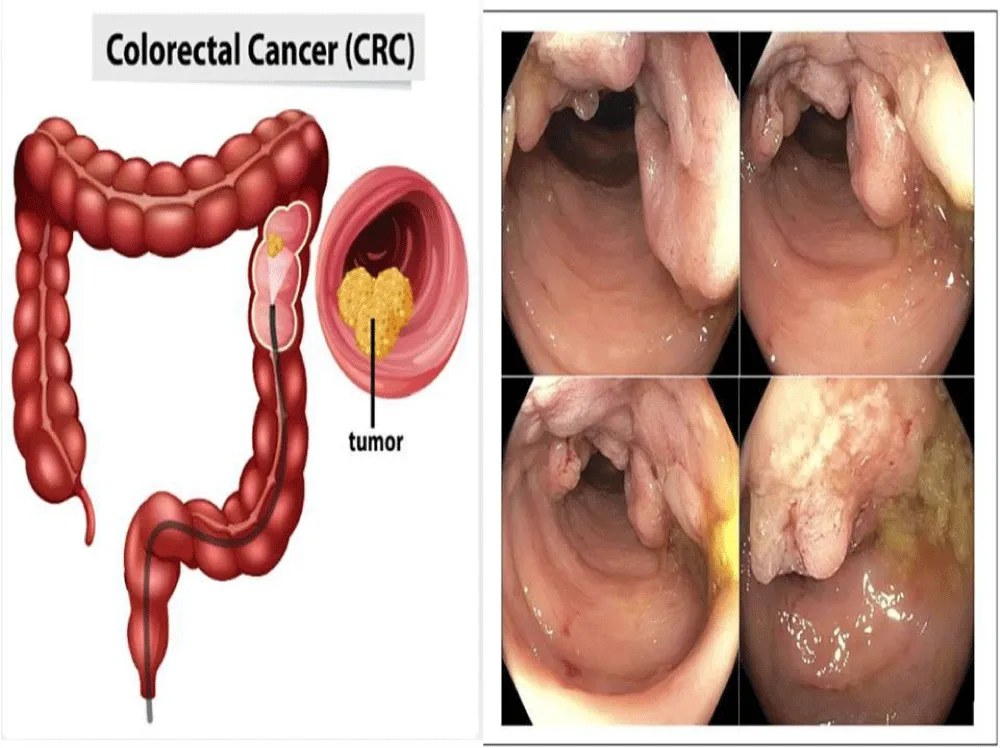
Dr. Subhas Chandra Datta, a male pre-retired 59-year-old Indian President Awardee colorectal cancer patient (CRP) (Figure 2), five feet seven inches height (5’7”), average normal body weight 65-68kg, four months prior to onset of diseases, underwent major surgery (46kg) for colonic cancer (CC) and chemotherapy (CT) with unspecified prolonged side effects (USPSE), is the present clinical sample (CS). For long-term colorectal cancer survivors (LTCRCS), even nine years after surgery and chemotherapy, it is common to experience persistent physical and emotional “late effects” [1-7,11,13-15,17,23-23p].
Biography or social reputation of the sample
Dr Subhas Chandra Datta, M.Sc., PhD, President Awardee, as an Innovative Researcher in various fields from 1993, Assistant Teacher and Headmaster of Kanchannagar at D.N. Das High School (HS) from 1996 to 2007 to date. Dr Datta has expertise in evaluation and a passion for improving health and wellbeing. His research interests include Healthcare, Biomedicine, Physiology, Education, Environment, Plant Protection, Agriculture, Pathology, Allelopathy, and Homoeopathy. His open, contextual evaluation model, grounded in responsive constructivism, creates new pathways to improve healthcare. His 1st-plant-based biomedicines in homoeopathic forms, ‘Cina,’ achieve the ‘World’s Top Most Articles’ in the ‘Public Medical Health of WHO’. His valuable work received a Patent under the Central Silk Board (CSB) in 2005. He is an honorary Member of different prestigious organisations. He achieved the National Award, National Mentor, Ideathon-‘Vision 2040’ (Rank 50 & Enlisted -Policy Forum of GoI), UK-India STEM Engagement and Learning Project, Siksharatna Award, Albert Nelson Marquis Lifetime Achievement International Award, Vidyasagar National Teachers Award, Biodiversity Conservation Award, International Scientist Award, International Scientist Best Research Award, and Article of Merit Award, etc. He has published more than 146 papers in reputable journals and has served as an editorial board member of repute. It proves that the sample is socially well-reputed (Google Search).
Understanding and Potentiality (UP)
It is very important to provide detailed information regarding the duration, frequency, and reproducibility of the intervention to facilitate better understanding and potential replication of colorectal cancer surgery follow-up patient (CRFUP). Colorectal cancer (CRC) surgical follow-up aims to detect recurrences and new polyps early. Guidelines from organizations, such as the American Society of Clinical Oncology (ASCO), recommend the following structured intervention over a 5-year period [1-7,11,13-15,17,23-23o].
Frequency and schedule of interventions
- History and Physical Examination (H&P): Every 3 to 6 months for the first 2 years, then every 6 months for years 3 through 5.
- Carcinoembryonic Antigen (CEA) Testing: Blood biomarker tests every 3 to 6 months for 5 years.
- Radiological Imaging: Computed Tomography (CT) scans of the chest, abdomen, and pelvis performed annually for 3 years. For rectal cancer specifically, pelvic CTs are also evaluated based on individual risk.
- Endoscopy (Colonoscopy): Performed 1 year after primary surgery to ensure no metachronous polyps or synchronous lesions were missed. If the first 1-year follow-up colonoscopy is normal, a second is performed at year 3, and then every 5 years thereafter [1-7,11,13-15,17,23-23o].
Duration of Follow-Up (DFU)
The active surveillance period typically lasts 5 years. This duration is based on clinical evidence that up to 90% of all colorectal recurrences occur within the first 2 to 3 years post-operation, and 90-95% happen within 5 years. After 5 years without recurrence, the risk decreases significantly [1-7,11,13-15,17,23-23o].
Reproducibility
The intervention is highly reproducible across clinical settings, and it utilizes available medical technologies (blood panels, standard CT scanners, and colonoscopies). Standardization involves tracking changes in CEA levels and utilizing standardized imaging protocols. To ensure exact replication in an academic or clinical setting, refer to the American Cancer Society Colorectal Cancer Survivorship Care Guidelines or the full clinical specifications provided by the ASCO Endorsed Cancer Care Ontario Guideline [1-7,11,13-15,17,23-23h].
Statistical Methods Employed (SME)
It is advised to provide a more detailed description and justification of the statistical methods employed, ensuring their appropriateness for the data presented in the case study of a CRC follow-up patient, thereby enhancing the scientific rigor and analytical framework of this study. In clinical case self-studies of Colorectal Cancer (CRC) follow-up patients, statistical methods should combine descriptive summaries with rigorous time-to-event or diagnostic accuracy metrics. The choice of methods depends directly on the specific data being evaluated, such as biomarker trends, survival outcomes, or patient-reported metrics [23q-23u]. Only the treatment teams could specify which clinical variables or endpoints (e.g., CEA levels, survival status, or questionnaire scores) they are analyzing in this case study. They can help tailor or run the specific statistical tests. Depending on the specific objectives of the case study, one can employ the following localized, appropriate statistical methods:
Longitudinal Biomarker Analysis (e.g., CEA Tracking)
If the primary data focuses on tracking Carcinoembryonic Antigen (CEA) levels over multiple follow-up visits [23q-23u]:
- Method: Linear Mixed-Effects (LME) Models.
- Justification: LME models appropriately account for within-patient correlations (repeated measurements over time) and are robust enough to handle unbalanced data if a patient misses a scheduled follow-up or has irregular testing intervals.
- Alternative: If the data is purely binary (e.g., whether the patient developed a recurrence within 5 years), use Logistic Regression to calculate the Odds Ratios (ORs) associated with specific prognostic factors.
Time-to-Event (Survival) Analysis
For evaluating recurrence-free survival or overall survival from the date of surgical resection [23q-23u]:
- Method: Kaplan-Meier (KM) Survival Curves and the Cox Proportional Hazards Model.
- Justification: KM curves provide a transparent, visual summary of patient survival over the follow-up period. The Cox Proportional Hazards model is the gold standard in oncology case studies for assessing the impact of multiple covariates (e.g., tumor stage, age, adjuvant therapy) on the hazard of cancer recurrence or mortality
Diagnostic Accuracy (Test Sensitivity and Specificity)
If evaluating the effectiveness of a follow-up intervention, such as the utility of a screening tool to detect metachronous tumors [23q-23u]:
- Method: Receiver Operating Characteristic (ROC) Curves and calculating the Area under the Curve (AUC) alongside 95% Confidence Intervals.
- Justification: This allows for the evaluation of the trade-off between the true positive rate (sensitivity) and false positive rate (1-specificity) for biomarkers or scoring systems, proving the reliability of a diagnostic tool across different thresholds.
Patient-Reported Outcome Measures (PROMs)
When analyzing surveys regarding a patient’s quality of life, anxiety, or platform usability [23q-23u]:
- Method: Non-parametric tests such as the Wilcoxon signed-rank test (for paired ordinal data at baseline vs. follow-up) or the Mann-Whitney U test (for independent groups).
- Justification: Patient-reported questionnaire scores are rarely normally distributed, making parametric alternatives (such as paired t-tests) inappropriate. Non-parametric methods evaluate differences in medians without relying on assumptions of a normal distribution.
Note: Here, only the diagnostic and surveillance tests of post-effects (PE) on patients undergoing chemotherapy for aged colorectal major surgery from years 6 to 10 have been plotted on a linear scale chart in Table 1, enhancing the scientific rigor and analytical framework of this self-clinical follow-up study [23q-23u].
Rationale Sample Size (RSS)
Here, the author himself enhances the scientific rigor and analytical framework of this self-clinical follow-up study, including a clear rationale for the sample size and, where applicable, a power analysis that is plotted on a linear scale chart in Table 1 [23q-23u].
Strengthening Relationship (SR)
Strengthening the analysis of the relationships between variables and outcomes to support this self-clinical follow-up study, more effectively identifying what is plotted on the linear scale chart in Table 1, and enhancing the scientific rigor and analytical framework of [23q-23u].
Challenges of survivorship
With the advances in completed treatment, the challenges of colorectal cancer (Figure 2) survivorship are the inferior quality of physical and mental life for CRC survivors compared with age-matched individuals without cancer after nine years [24]. These long-term effects of CT treatment can persist and include pain in limbs, rough source hands and feet, letter typing and writing digit, turnover pages, counting money, hold small thing, taking or eating food, uncontrolledly voice, speech discontinuation, tiredness, palpitation, memory loss, chronic fatigue, sleep difficulty, fear of recurrence, anxiety, depression, negative body image, sensory neuropathy, sensitivity, gastrointestinal problems, bowel dysfunction, urinary incontinence, general frailty, high blood pressure, lower heartbeat, hot feeling, uneasiness and sexual dysfunction, etc. [24-26]. Recently, it has been reported in the “Colorectal Cancer Statistics 2026” [25] and “Cancer Incidence Rising after Decades of Decline as Colorectal Cancer Shifts toward Younger Generations,” a press report by the “American Cancer Society (ACS)” [26].
Choose Colorectal Cancer Treatment Team (CCRCTT)
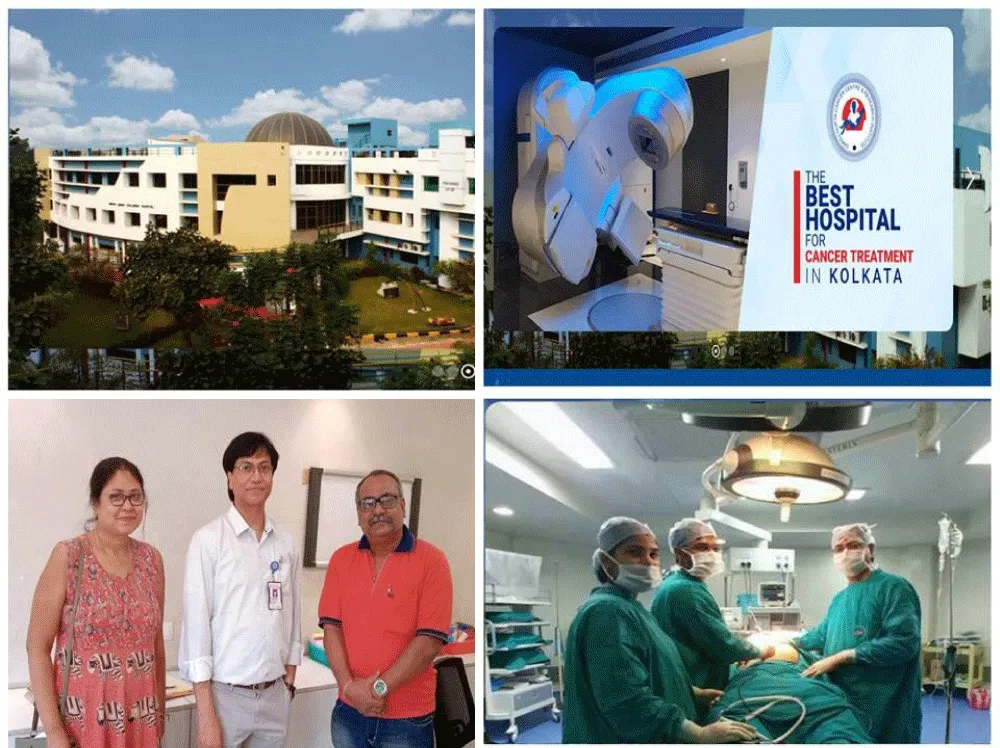
It’s very important to choose the CCRCTT and hospital (Figure 3) so that you feel comfortable with the cancer care team. After consulting openly with the eight eminent oncologists, like Dr. Manas Roy, Senior Consultant - Gastrointestinal Oncology & Surgical Gastroenterology, Narayana Health, RN Tagore Hospital, Dr Sourav Sau, Associate Prof. & Radiation Oncologist of BMCH, and Dr. Abhijit Chowdhury, MBBS, MD, and DM, renowned hepatologist and gastroenterologist in Kolkata, etc. with the help of the family doctor, Ex-Prof. of Burdwan Medical College & Hospital (BMCH), Purba Bardhaman, Dr. Tusar Kanti Batabayal, MBBS, MD (Cal), Senior Consultant Physician, Special interest in Cardiology and Diabetes (Reg. No.: 36198 (WB), Dr Narendranath Mukherjee,(MBBS, MS, MCh - Pediatric Surgery), general and pediatric surgeon of BMCH, Eminent Innovator Mr. Achintya Kumar Mondal, Secretary, of Oriental Association for Education & Research (OAER) & the Manager of Burdwan Model School, Dr. Chiranton Bose, Bachelor of Medicine, Bachelor of Surgery (MBBS), Medical Ex-Administrator of Saroj Gupta Cancer Centre & Research Institute, HOI & Administrator of CMRI Hospital, Kolkata, Dr. Ankur Banik, MBBS, MD (Medicine), MRCP (UK), DNB (Medicine), Reg. No.- 71101, Dr. Satyen Bhatterjee, Clinical In-Charge, and Souranyshu Bhatterjee, physiotherapist, of the BIM&LSc, Burdwan, and the Eminent Housewife Teacher & Ex-Administrator of Burdwan Model School, Mrs. Rupa Datta, with Dr. Datta’s family member, and it is typically chosen a surgeon, medical administrator and medical oncologist who will serve as the lead physician. Eminent Inspiring Innovator Professor in the Dept. of Surgical Oncology, Dr. Arnab Gupta, MBBS (Cal), FRCS (Edin & Eng), FIAGES, [Registration: India- WB 49537 UK- 4562364 (Full), ASI: FL 12576, IASO: G 0036) Medical Director at the Saroj Gupta Cancer Centre and Research Institute (SGCCRI) (Figure 3) in Thakurpukur, Kolkata, and Ex-President of Indian Association of Surgical Oncology, Eminent Consultant Medical Oncologist & In-Charge - Dept. of Palliative Care also at the SGCCRI, Dr Rakesh Roy, MBBS, MD, ECMO, MSc, MBA, Dip. Pall Med (UK), PGDMLE (NLSIU), LLB, Exe Alumni IIMC, and Dr. Chiranton Bose, as Ex-Administrator of SGCCRI [1-8,23-25].
First Occurrence (FO)
In the 8th November 2016 at 8;30 am suddenly, Dr. Datta was admitted in the Burdwan Nursing Home, 27 Ramakrishna Road, Bardhaman town, with severe abdominal pain and swelling, progressively difficult bowel movements or foul air pass, rectal bleeding, and inability to pass stool, and stayed for seven day for different test one after another like digital X-Ray, Ultrasonography (USG), blood carcinoembryonic antigen (CEA), Complete Blood Count (CBC), liver function tests (LFT), urea, creatinine, fasting blood sugar / fasting blood glucose (FBS/FBG), CT -Scan, PET scan (Positron Emission Tomography), and colonoscopy, for the proper treatment under the house physician who also was called specialist doctors and surgeon for proper diagnosis. And ultimately, it was confirmed that the sigmoid colon was blocked with two big tumors with numerous polyps, and a colonoscopy sample was sent for a biopsy test. And the significant weight loss happened regularly from 68 kg to 60 kg within a week. They doubted the malignancy of CR tumors, and it might be due to the induction of chain-smoking nicotine [1-8,23-26].
Previous Personal and Family History (PPAFH)
It was noted that no history of sigmoid colon tumors or polyps had been found before four months ago, during a different routine test that included x-ray, ultrasonography (USG), electrocardiography (ECG), routine blood tests, and other tests. Seven members of the Datta family had died from cancer. It might have activated the carcinogenic gene due to nicotine and a sedentary lifestyle from the administrative work. Nicotine may possess carcinogenic properties in mice and could be a potential carcinogen in humans [1,27-29].
Admission for final treatment
After receiving the biopsy report and consultation with oncologists, Dr. Datta was admitted for surgery on 25/11/2026 under Dr. Arnab Gupta at the Saroj Gupta Cancer Centre and Research Institute (SGCCRI) (Figure 3), Thakurpukur, Kolkata, for further confirmatory tests of the “biopsy positive colorectal tumors with malignancies”, surgery, and treatments [29].
Operation note
Consultant: DR. ARNAB GUPTA,
Diagnosis: ca desc colon,
Plan and Operation Date: 28/11/2016
Surgical Team: DR. ARNAB GUPTA, DR. SANGHA MITRAJENA & DR, SUMAN UDATHA.
Anesthetists Team: DR. AJITESH GHOSAL, DR. PAROMITA SARKAR, DR. CHINUCHOWDHURY, & DR. SUDESHNA MONDAL.
Preoperative findings and staging: bleeding PIR, intermittent abdominal swelling, right side, constipation. On examination, a vague lump was palpable in the left side of the abdomen, no hepatomegaly, and no free fluid. Colonoscopy showed a colonic growth with two sigmoid polyps.
Type of Surgery: laparoscopic staging and a hemicolectomy.
Time of Surgery: From 11:00 am to 2:30 pm.
Type of Anesthetists: LA (Local Anesthesia).
Incision: midline vertical.
Operative findings
- No free fluid,
- Liver, peritoneal surfaces, omentum, and pelvis are free of tumor.
- Large growth in the proximal part of the descending colon, the splenic flexure adhered to the retroperitoneal fascia, and
- It was identified and preserved.
Procedure
Lap staging done, large growth prox part of the descending colon close to the spleen texture, which is fixed to the retro peritoneum, hence converted to an open procedure, desc colon mobilized in a lateral to medial direction prox up to mid transverse colon and distally up to recto sigmoid junction, inferior mesenteric vessels ligated, colon divided with a 10 cm proximal margin. After applying a bowel clamp and distally at the rectosigmoid junction using a GI linear stapler no 60, end-to-end anastomosis was done using a Gl circular stapler no. 33, leak test done, hemostasis secured, wash given, pelvic drain kept, wound closed in layers, rectus with loop PDS, skin with staplers.
Closure: Drains: pelvic.
Comments: Immediate post op recovery satisfactory, specimen proper-part of greater momentum- doughnuts sent for HPE.
Approximate blood loss: Minimum.
Special instruments used: Laparoscopic, GI linear, and circular staplers.
Histopathology report (HPR)
Sample Date: 28/11/2016, and Reporting Date: 07/12/2016.
The histopathology report was done by Dr. MAITRAYEE SAHA, MD(PATH), Pathologist, and DR. PIYABI SARKAR, MD(PATH), Pathologist, with Run Date & Time: 07/12/2016 03:52.
Histopathology of tissue with HE Stain (full specimen)
Specimen:
- Colon and mesocolon,
- Proximal doughnut,
- Distal doughnut, and
- Greater omentum.
Procedure: Left hemicolectomy.
Tumor site: Descending colon.
Specimen size: Colon measures 30cm in maximum dimension.
Tumor size: 5 cm x 4 cm x 3 cm.
Tumor facility: Unifocal.
Microscopy
Histologic type: Adenocarcinoma.
Histological grade: Moderately differentiated with mucinous differentiation.
Slide: 11331-32-Section from one margin, l1333-34-Section from other margin,11335
Circumferential resection margin with growth (margin inked), 11336-40-Growth
11341-42-Normal appearing mucosa adjacent to growth,1 1343-Polyp,11344
Base of polyp, 1345- 50-Lymph node,1 1351-52-Proximal doughnut,1 1353-54
Distal doughnut, 1 1355-58A-B-Representative sections of omentum.
Microscopic tumour extension: Tumour extends up to the subserosa.
Mitotic rate: 5/i0 hpf.
Margins: Proximal: Free.
Distal: Free.
Circumferential: Free.
Lymphoid vascular invasion: Not found.
Perineural invasion: Not found.
Pathologic staging (pTNM): pT3NOMx.
Primary tumors (pT): pT3.
Regional lymph node (pN): pNO.
Distal metastasis: pMx.
Lymph nodes examined: 21, Lymph nodes involved: 0.
Additional pathological findings: Adenomatous polyp present.
Opinion
- Moderately differentiated adenocarcinoma of the colon with mucinous differentiation.
- All margins are free,
- Lymph nodes are free (o/21),
Stage -pT3NOMx,
Note: Sections from omental tissue (sections 11355, 11357/16) are pending.
SLIDE NO.: H-11331-11358B/16.
Discharge Summary After Surgery (DSAS)
Admitting Doctor: DR. ARNAB GUPTA,
Department: Surgery,
Date of admission: .23/12/2016, 12:39 pm.
Date of discharge: 27/12/2016.
Summary
- This 48-year-old gentleman with carcinoma of the descending colon had undergone left hemicolectomy after laparoscopic staging on 28/11/2016.
- Now planned for adjuvant CT.
- Board decision: 2 weekly FOLFOX 4.
- 1st cycle adjuvant CT given on 24/12/2016.
- Patient tolerated well.
- Patient discharged in stable condition.
Final Diagnosis (FD)
- Carcinoma of the left descending colon.
- Moderately differentiated adenocarcinoma of the colon with mucinous differentiation,
- pT3N oMx.
Investigation: All reports given.
Treatment Summary (TS)
- D1 Inj. Oxaliplatin 140mg IV.
- D1 + D2 inj. Leucovorin 330mg IV.
- Inj. 5 FU 660mg I.V push.
- Inj. 5 FU1000mg I.V fusion with GCSF support.
Advice on Discharge (AD)
- High protein diet ( Ensure protein powder 3 scoops twice daily),
- Syr Sucralfate 0.2 tsp three times daily x 2 weeks.
- UHID Tab Pan 40 1 tab twice daily before food x 2 weeks.
- Tab Urimax -D 1 tab once daily to continue.
- Cap BecosulZ 1 cap twice daily x 15 days.
- Tab Bifilac 1 cap thrice daily x 5 days.
- Lomotil 2 tab start & 1tab thrice daily.
- Tab Doral Plus 1 tab twice daily after food x 3 days.
- Admit after 2 weeks for 2nd cycle adjuvant CT on 06/01/2017 with blood R/E, Urea, Creatinine.
Discharge Summary After Chemotherapy (DSACT)
Admitting Doctor: DR. ARNAB GUPTA,
Department: Surgery,
Date of admission: .31/03/2017, 10:40 am.
Date of discharge: 01/04/2017.
Summary
- This 48-year-old gentleman with carcinoma of the descending colon had undergone left hemicolectomy after laparoscopic staging on 28/11/2016.
- Now planned for adjuvant CT.
- Board decision: 2 weekly FOLFOX 4. 2 cycles of FOLFOX given. But the patient is having loose stools and oral ulcers. Hence, the plan changed to modified CAPOX.
- 6th cycle adjuvant CT (4th cycle Modified CAPOX given).
- Patient tolerated well.
- Patient discharged in stable condition.
Final Diagnosis (FD)
- Carcinoma of the left descending colon.
- Moderately differentiated adenocarcinoma of the colon with mucinous differentiation,
- pT3N oMx.
Investigation: All reports enclosed.
Treatment Summary (TS)
- D1 Inj. Oxaliplatin 150mg IV.
- Tab. Capecitabine 3 tabs in the morning and 2 tabs in the evening.
Advice on Discharge (AD)
- High protein diet ( Ensure protein powder, 3 scoops twice daily)
- Syr Sucralfate O 2tsf thrice daily x 2 weeks.
- Cap Becosul Z 1 cap twice daily x 15 days.
- Tab Pan 40 1 tab twice daily before food x 2 weeks.
- Tab Bifilac 2 tab thrice daily x 3 days and then SOS.
- 13 Tab Zofer MD sublingual thrice daily for 3 days, then SOS.
- Tab Lomotil 1 tab thrice daily for 3 days and then 2 tabs SOS.
- Admit after 2 weeks for adjuvant CT on 15.04.2017 with blood R/E, Urea, Creatinine.
- Hafoos cream.
- Candid M paint oral application.
- Tab. Orofer XT 1 tab once daily.
- Take Tab. Neurobion forte 1 tab twice daily.
- Thrombophobe ointment for LJA.
- Tab. Cacit 500mg - 3 tabs morning, 2 tabs evening for 14 days,
- Patient is fit for joining/resuming his normal duties.
- Tab. Neurobion forte 1Omg - 1 tab once daily x 2 weeks.
Survivorship Follow-Up Care Plan (SFUCP)
It’s very important to go to all the follow-up appointments (FUA). The follow-up exams (FUE), FU-treatment, and FU-test dates were: 06/01/2017, 24/01/2017, 14/02/2017, 21/04/2017, 17/05/2017, 30/06/2017, 03/07/2017, 04/08/2017, 08/12/2017, 12/01/2018, 09/10/2018, 26/04/2019, 08/05/2019, 17/05/2019, 15/11/2019, 20/05/2022, 12/04/2024, 17/01/2025, and 04/07/2025. The frequency of FU visits and tests will depend on the stage of cancer and the chance of it coming back. For the treatment of long-term side effects, patients were cared for by family doctors and specialist doctors. The intensity of side effects (SE) lasts after finishing the last 04/07/2025 follow-up treatments also [26-29].
Selection of Biomedicine Food (BMF)
Locally available nutritious BMF was selected to improve health and wellbeing to reduce SE during the FUT from 01/01/2023. Here, the selection of edible BM, weeds, vegetables, fruits, and spices was as follows [30-59] (Figure 4):
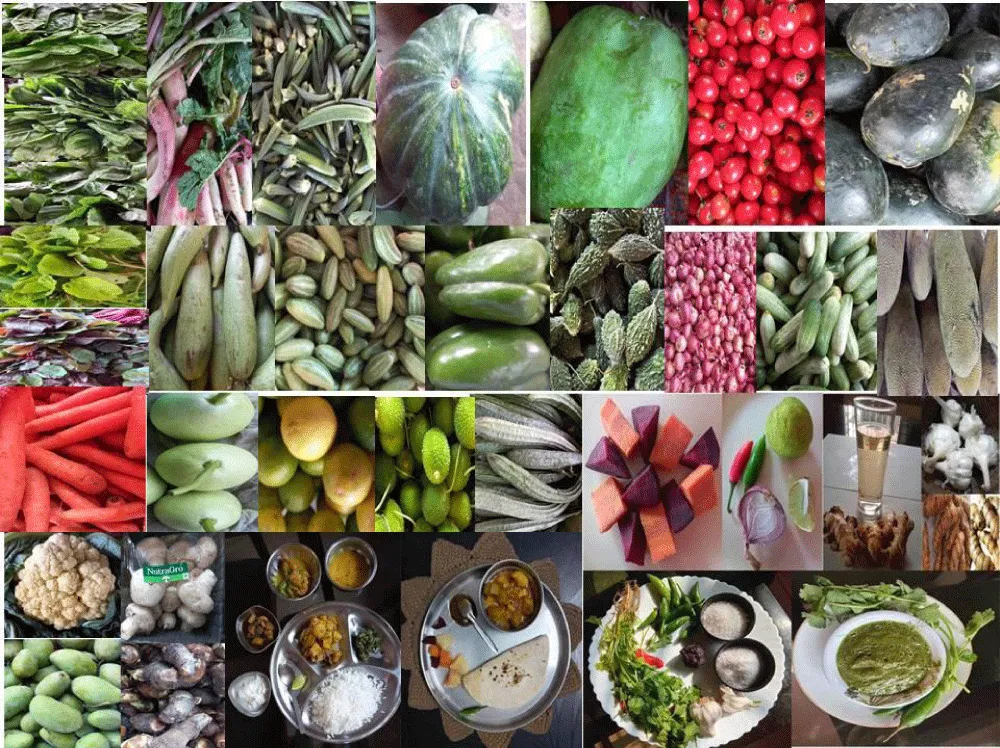
- Weeds: Amaranth, spinach, and coriander leaf/ seasonal available cost-effective leafy weeds.
- Vegetables: Okra, cowpea, tomatoes, brinjal, bottle gourd, potatoes, bitter gourd, lemon, onion, carrots, and beetroot / seasonally available cost-effective vegetables.
- Fruits: Cucumber, apple, orange, grapes, papaya, and banana / seasonally available cost-effective fruits.
- Spices: ginger, turmeric, and garlic.
- Pulses: lentils, chickpeas, dry peas, and various beans.
- Diary product: Curd.
- Non-veg: Eggs, fish, and chicken.
- Drinks: Tea and coffee.
These were selected biomedicines for reducing the intensity of SE [30-59].
Preparation of Biomedicine (PBM)
All BM consumption occurs at 12h interval every day, starting from 05/05/2023 to 05/05/2026, up-to-date with the CRCFUT [30-63].
- Biomedicine’s mixture (BMM): The BMM is prepared of fresh or cooked weeds (one kinds), vegetables (three kinds), fruits (two kinds), and Spices (three kinds) in a ratio of 1:2:1:1 totaling 150g (one and half cup; viz. 150g = 25g amaranth + 50g cucumber + 25g cowpea + 25g okra+25g).
Dose: The BMM is consumed as BM-meals @150g total twice daily (during taking meals).
- Pulses mixture biomedicine (PMBM): The PMBM is prepared from cooked lentils, chickpeas, dry peas, and various beans (any two or three kinds in equal ratio totaling 40g of pulses) in 200-250 ml of water.
Dose: The PMBM is consumed as BM-meals @200-250 ml total twice daily (during a meal).
- Non-veg biomedicine (NVBM): The NVBM is prepared by cooking an egg, or 50g of fish, and 100g of chicken (any one kind).
Dose: The NVBM is consumed as BM with a meal once daily.
- Sour biomedicine (SBM): The SBM is prepared by 20g of tamarind per 50-60 ml of hot water.
Dose: The SBM is consumed once per day, @ 50-60ml with a meal.
- Green chantey biomedicine (GCBM): The GCBM is prepared by mixing and crushing or grinding coriander leaf (10g), tamarind (10g), ginger (5g), garlic (5g), chili (2- 5 g), and sugar (2- 3 g), dissolving in 20-25 ml of water.
Dose: The GCBM is consumed @ 20-25ml once daily with a meal.
- Diary product biomedicine (DPBM): It is prepared from 200ml of milk, forming 100ml of curd BM.
Dose: The curd DPBM is consumed @100ml/day.
- Lemon water biomedicine (LWBM): The LWBM is prepared by dissolving 20 drops of lemon juice dissolved in 250 ml of drinking water.
Dose: The LWBM is drunk @ 250ml/day after a meal.
- Drinks biomedicine (DBM): Tea (5g -one teaspoon) and coffee (2g, one and a half teaspoon) –DBM is prepared by dissolving with 100-150ml hot water (a cup). Milk (25g) and sugar (10g) may be added.
Dose: Tea and coffee -DBM may be taken @ 100-150ml (a cup) 2-3 times daily.
- Fruits biomedicine (FBM): The FBM is prepared from 200g of apples, oranges, papayas, bananas, or grapes.
Dose: The apples, oranges, papayas, bananas, or grapes- FBM is eaten @200g after a meal per day.
- Biomedicines Song with Exercise (BMSWE): Though there is no direct effect of BMSWE, it has some indirect PE. So it is very important to choose BMSWE [64-78].
Selection of BMSWE
The BMSWE is selected by experts, singers, physiotherapists, and doctors, in consultation with CRCFUP (patients), for “Music Therapy (MT) and Tailored Music-Listening (TML) and Free Hand Exercises with Walking (FHEWW) including aerobic and resistance training”.
Dose: The dose of BMSWE will depend on energy and availability of space or time for the follow-up patient, who is associated with regular morning walks and some freehand exercises with song [64-80].
Biomedicines awareness wellbeing (BMAW)
The BMAW is developed by the public awareness and wellbeing, particularly through the lens of modern biomedicine for the colorectal cancer symptoms include avoiding risk factors, maintaining a healthy lifestyle, and participating in screening programs of early detection disease CRFUP, and it is the new diagnostic and therapeutic approaches like high-diluted-or ultra-high-diluted-Biomedicines, environmental factors, gut microbiota, and visual performing arts reducing stigma and improve mental health literacy, focusing on the use of personalized, and high-precision treatments and increase immunity gets a boost from a surprising place — breakfast, and neuro-immune interactions in gastrointestinal oncology: mechanisms, challenges, and therapeutic potential, and lastly, technological mourning after AI updates: mental health and well-being in the GPT-4o/GPT-5 transition also [81-90].]
Results
Table 1. Diagnostic and surveillance tests of post-effects (PE) on aged colorectal major surgery chemotherapy patients from the years 6 to 10 show more than 20 abnormal, unspecified side effects (USE).
Table 2 shows the pre- and post- effects on aged colorectal major surgery chemotherapy follow-up patients (ACRMSCTFUP).
Unspecified Side Effects (2017 to 2026)
After surgery and chemotherapy, follow up with the patient from 2017 to 2022:
- The average body weight of a 48-year-old, 5.7 feet, CRP was 46kg just before surgery in 2016; 6 months before (May, 2016), the average body weight was 65kg, and the average body weight was within 63 kg to 65 kg in 2015, in a healthy condition (control).
- The lowest body weight of CRCTP was 42kg in 2017. The body weight of the CRFUCP gradually increased from 58kg in 2018 to 86kg in 2022 (overweight or obesity).
- The CRP symptom before surgery was vigorous in bowel dysfunction, Constipation, and Pain; medium in chronic fatigue, mental health/upset, body image, and fear/ anxiety/overexertion; low in sleep difficulty.
- The 25 symptoms of SE increased from 2017, just after CT, to 2022, vigorous to high, except urinary problems and diarrhea or loose motion.
After the application of biomedicine, song walking exercises from 2023 to 2026
- Biomedicine song and walking exercises (BMSWE) for the aged CR-patient have a “positive effect (PE)” on improving quality of life and reducing all 25 “unspecified side effects (USE)” from 2023 to 2026.
- The BMSWE offers many key benefits for managing post-chemotherapy (PCT) and post-surgical recovery (PSR) of severely affected long-term side effects (LTSE), including obesity, on decreasing quality of life and increasing treatment-related toxicity, which is not the physical demands of “Election Duty 2026”.
Mental strength and psychological resilience (MSPR)
Only MSPR is very much effective in reducing the physical and emotional side effects of colorectal cancer (CRC) follow-up patients, especially chronic fatigue, anxiety, depression, and gastrointestinal issues, ultimately significantly boosting overall quality of life. The psychological attitude and cognitive impacts on user well-being within human–AI systems also. The activities, such as positive attitudes in every aspect of behavior, public communications/interactions, project-based, various innovative programs, article writing, and nature study, improve MSPR.
Discussion
The average body weight of a 48-year-old, 5.7 feet, CRP was 46 kg just before surgery in 2016; 6 months before (May, 2016), the average body weight was 65kg, and the average body weight was within 63kg to 65 kg in 2015, in a healthy condition (control). It means that CRCP rapidly reduced body weight to a healthy condition (Control), but tumor and polyp growth were vigorous within six months. It may be due to excessive smoking, i.e., nicotine induction rapidly, or due to a family history of cancer-causing gene, or may be a sedentary habit due to administrative official work by sitting, or may be due to food habit or lifestyle [1-7,9-11,13,15-19,23-28,55-56,58-59,62-63,65-67,69-83,89].
The lowest body weight of CRCTP was 42 kg in 2017 due to surgery and a high dose of CT. The body weight of the CRFUCP gradually increased from 58kg in 2018 to 86 kg in 2022 (overweight or obesity). It is supported by the statement of Dr. Harsh Shah, GI and HPB Oncosurgeon, who says, “Body Weight May Affect Survival After Colon and Rectal Cancer,” and by Body mass index and colorectal cancer recurrence and mortality: A nationwide cohort study in Denmark [91-94].
Weight Gain Trend (2018–2022) show that, contrary to typical weight loss, a substantial proportion of colorectal cancer patients (up to 50% or more) actually gain weight during and after adjuvant chemotherapy, often increasing from a normal weight to over 58kg and up to 86 kg (classified as overweight or obese, with BMI suggesting that weight gain during and after colorectal cancer treatment is a significant trend, sometimes resulting in a mean weight increase due to; Treatment Side Effects due to CT, steroids, and decreased physical activity can lead to increased body fat, Fluid Retention due to the accumulation of third-space interstitial fluid, and Metabolic Changes combined with dietary changes, can result in increased fat mass [95].
The CRP symptom before surgery was vigorous in bowel dysfunction, constipation, and pain; medium in chronic fatigue, mental health/upset, body image, and fear/ anxiety/overexertion; low in sleep difficulty. It is due to the high symptom burden, particularly in physical and functional areas, before surgery, which is typical for patients with colorectal cancer. The bowel dysfunction (BDF) changes in stool consistency (diarrhea/constipation), fecal incontinence, or a feeling of incomplete emptying.
Constipation is a very common pre-surgical symptom often linked to physical obstruction by the tumor and polyps. The severe pain presents as abdominal pain, cramps, or rectal discomfort. Chronic fatigue is associated with hidden, long-term internal bleeding, mental health/upset due to emotional distress regarding the diagnosis and upcoming treatment, which often dissipates after surgery, body image concerns, the pre-operative anxiety related to potential surgical changes (e.g., stoma), and fear/ anxiety/overexertion, which is associated with high levels of emotional distress and physical limitations on daily activity. And low-severity sleep difficulty due to fatigue is present; sleep disturbance is reported as a lower-tier symptom before surgery. Preoperative symptoms often revolve around the physical presence of the tumor (bowel changes, pain) and emotional distress (anxiety). These issues often decrease within 3 months post-surgery, while some (like fatigue) may persist during recovery [1-7,9-11,13,15-19,23-28,55-56,58-59,62-63,65-67,69-83,89-96].
The 25 symptoms of SE increased from 2017, just after CT, to 2022, vigorous to high, except for urinary problems, diarrhea, or loose motion. This self-observation of 25 symptoms, including fatigue, neuropathy, and cognitive difficulties, shows an increase in intensity (from vigorous to high) from 2017 to 2022—5 years post-chemotherapy—which aligns with studies on long-term cancer survivorship, where certain symptoms persist or develop late. While acute side effects often subside, chronic effects such as neuropathy, fatigue, “chemo brain,” and joint pain can worsen over time. It is reported that the exclusion of urinary issues and diarrhea/loose motion is less common among persistent, long-term, increasing symptoms [1-7,9-11,13,15-19,23-28,55-56,58-59,62-63,65-67,69-83,89-96].
Key long-term symptoms increasing (2017-2022)
- Fatigue and physical weakness: Often the most persistent symptom, with studies showing significant increases in fatigue 5 years after treatment.
- Peripheral neuropathy: Nerve damage (tingling, numbness) can worsen or persist for years.
- Cognitive impairment (“Chemo Brain”): Memory loss, poor concentration, and difficulty focusing can continue or worsen for years, particularly.
- Musculoskeletal pain / joint stiffness: Aromatase inhibitors or general metabolic changes post-chemo often lead to increasing joint and muscle pain.
- Weight gain / metabolic changes: A persistent increase in body mass, often as fat rather than muscle, is common 5 years post-treatment [1-7,9-11,13,15-19,23-28,55-56,58-59,62-63,65-67,69-83,89-96].
Symptoms that remained stable or decreased
- Diarrhea / loose motion: Acute bowel changes often resolve after the intestinal lining repairs itself, unlike neuropathy.
- Urinary issues: While bladder damage can be a late effect, chronic urinary dysfunction is often less common than chronic neurotoxicity or fatigue [1-7,9-11,13,15-19,23-28,55-56,58-59,62-63,65-67,69-83,89-96].
Factors contributing to increasing symptoms:
- Persistent inflammation: Chronic activation of the immune system after cancer treatments.
- Accelerated aging: Cancer treatments may cause biological aging to accelerate, resulting in more frailty, joint issues, and fatigue years later.
- Cumulative toxicity: The combined impact of chemotherapy, surgery, and long-term hormone therapy [1-7,9-11,13,15-19,23-28,55-56,58-59,62-63,65-67,69-83,89-96].
After application of biomedicine song walking exercises from 2023 to 2026
Biomedicine song and walking exercises (BMSWE) for the aged CR-patient have a “positive effect (PE)” on improving quality of life and reducing all 25 “unspecified side effects (USE)” from 2023 to 2026. It reported that regular walking exercises significantly improve health-related quality of life and substantially reduce cancer-related fatigue in older patients with colorectal cancer. According to long-term clinical data from the 2026 ASCO Gastrointestinal Cancers Symposium, implementing a structured walking routine 6 to 12 months post-diagnosis reduces long-term symptom burden [97-98].
While music interventions like “biomedicine songs” or music therapy) They are known to lower psychological anxiety; the explicit claim that they eliminate exactly “25 unspecified side effects” from 2023 to 2026 is a generalization. Instead, robust medical trials confirm clear, targeted improvements in specific physiological and functional domains [72].
Core benefits of walking for aged colorectal patients
- Fatigue reduction: Lowers severe post-treatment exhaustion scores significantly within a 24-month recovery window.
- Survival improvement: Reduces the relative risk of cancer recurrence by 28% and the risk of overall mortality by 37%.
Functional capacity: Enhances mobility and cardiovascular endurance, as proven by the Six-Minute Walk Test (6MWT).
Mental health: Alleviates underlying depression and anxiety when paired with standard post-operative care [97-98].
The BMSWE offers many key benefits for managing post-chemotherapy (PCT) and post-surgical recovery (PSR) of severely affected long-term side effects (LTSE), including obesity, decreased quality of life, and increased treatment-related toxicity, which is distinct from the physical demands of “Election Duty 2026”. Based on oncology literature, exercise interventions during and after cancer treatment are widely recognized for managing severe, long-term side effects, including obesity, decreased quality of life, and treatment-related toxicity [100-102].
Key benefits of exercise in cancer recovery
- Combating treatment-related side effects: Regular, tailored exercise is crucial for reducing chronic fatigue, mitigating chemotherapy-induced peripheral neuropathy (numbness/tingling), and counteracting muscle loss (cachexia).
- Managing obesity and metabolism: Exercise helps manage weight gain and improves insulin sensitivity, which is often severely affected by hormone therapies and sedentary recovery.
- Improving quality of life: Structured activity improves cardiovascular function, functional capacity, and mental well-being, allowing survivors to resume normal daily activities.
- Enhancing treatment efficacy: Evidence shows that exercise can make cancer treatment more effective by reducing the need for dose reductions and supporting the body through chemotherapy and surgery [103-105].
Specific approaches
Tailored exercise (adapted physical activity - APA): Interventions should be individualised to patient preferences, disease, and symptom levels.
Combined modalities: A mix of moderate-intensity aerobic training (walking, swimming) and resistance training is most effective.
Role of music: Combining exercise with music therapy is a proven behavioral strategy for reducing fatigue and boosting adherence to recovery protocols [105-107].
Physical demands of election duty
The recovery-focused exercises are designed for rehabilitation, focusing on gradual improvements to functional capacity rather than the high-stress, endurance-based physical demands of “Election Duty 2026”, which would likely be contraindicated during active, severe recovery [108].
Impact of election-duty-2026
Election-Duty-2026 to aged colorectal major surgery chemotherapy follow-up with prolonged side effects (ACRMSCTFUWPSE) impact is not expected. Despite this expectation, the context of “Election-Duty-2026” in West Bengal, scheduled for 23rd April and 29th April 2026, still presents significant logistical and physical challenges for aged colorectal cancer patients undergoing chemotherapy follow-ups. While essential medical services technically remain operational on polling days, the deployment of health staff and general election-related disruptions in the state can cause critical interruptions in cancer care [109-111].
Key impacts on aged colorectal patients (2026)
Interrupted care and follow-ups: Due to the high-stakes West Bengal election, there have been instances where medical staff were drafted for poll duty, potentially affecting the availability of specialist consultations at government facilities. Patients might find it harder to get prompt appointments for postoperative follow-ups or chemotherapy tracking.
Logistical challenges and access: The 2026 election environment may create transportation hurdles, making it difficult for weak or elderly patients to attend follow-up appointments.
Prolonged side-effect management: Aged patients already suffering from complications (e.g., bowel dysfunction, peripheral neuropathy, fatigue, or stoma issues) might find it challenging to access timely care for these late effects.
Psychological distress: The combination of managing a cancer recurrence fear and the high-stress environment of an election can increase anxiety and emotional fatigue [109-111].
Exemption process for cancer patients
For the 2026 West Bengal Legislative Assembly Elections, polling personnel suffering from serious medical conditions, such as cancer, are eligible for exemption from election duty. A specialized “Medical Board (MB)” is typically constituted at government medical colleges, including “Burdwan Medical College and Hospital (BMCH)”, to evaluate these exemption requests [109-112]. According to Election Commission guidelines, the following categories are generally considered for exemption:
- Serious ailments: Cancer, heart surgery, or those undergoing dialysis.
- Near retirement: Personnel with less than 6 months remaining before retirement.
- Maternal grounds: Pregnant women and lactating mothers (with children under 1 year).
- Disability: Physically challenged persons (PwD), depending on the severity and accessibility of the post [109-112].
Effect of positive attitude on serious health conditions
Maintaining a positive attitude while undergoing major surgery and chemotherapy for colorectal cancer (CRC) does not typically alter the biological path or growth of the tumor itself. However, scientific evidence shows it plays a crucial supportive role in managing the severe, prolonged side effects of treatment, enhancing quality of life, and improving treatment adherence. The question is: how does a positive, resilient mindset impact the journey through colorectal cancer treatment? [113-117].
Journey through colorectal cancer treatment
- Improved tolerance to treatment side effects (SE).
- Chemotherapy for colorectal cancer often causes severe side effects like fatigue, nausea, and peripheral neuropathy.
- Mental Fortitude: A positive attitude can help patients manage the physical and emotional burden of these side effects.
- Lowered Stress Hormones: A positive outlook can reduce cortisol levels, which in turn can reduce feelings of chronic fatigue [113-117].
Enhanced Treatment Adherence and Completion
Patients with a high, more hopeful outlook are often more likely to follow strict treatment schedules and complete their chemotherapy, which is critical for positive outcomes.
Overcoming Despair: A positive mindset acts as a protective factor against depression and anxiety, which can otherwise cause patients to withdraw from or delay life-saving treatment [113-117].
Faster Post-operative Recovery
A positive psychological approach has resulted in postoperative outcomes.
Earlier Recovery: Studies show that, compared to those with high distress, patients with positive attitudes can experience faster recovery of bowel sounds and return to nutritional intake following colonic surgery.
Lower Complications: A supportive, positive approach is associated with a lower incidence of postoperative complications [113-117].
Psychological and Emotional Well-being
A proactive, optimistic approach allows patients to reframe their traumatic experience.
Post-Traumatic Growth: Many survivors report using positivity to manage fear of recurrence and anxiety surrounding the long-term, chronic side effects of CRC treatment.
Higher Self-Care Ability: Patients who maintain a positive perspective are better equipped to engage in active self-care routines [113-117].
Summary of the Role of Positivity
While “positive thinking” is not a cure for colorectal cancer, it functions as a critical, supportive tool that helps patients:
Navigate the “rollercoaster” of emotions.
Manage the physical demands of treatment.
Reduce the impact of emotional distress (anxiety/depression) [113-117].
Mental Strength and Psychological Resilience (MSPR)
Only MSPR is very much effective in reducing the physical and emotional side effects of colorectal cancer (CRC) follow-up patients, especially chronic fatigue, anxiety, depression, and gastrointestinal issues, ultimately significantly boosting overall quality of life. The psychological attitude and cognitive impacts on user well-being within human–AI systems also. The activities, such as positive attitudes in every aspect of behavior, public communications/interactions, project-based, various innovative programs, article writing, and nature study, improve MSPR [113-117].
Notes/Remarks
As a result, the doctors of the ‘Medical Board’ are misguided by the answer of Dr S.C. Datta, “He is fine, Sir, but he is not able to perform Election Duty in the ‘West Bengal Legislative Election-2026 Duty’.” He also reports his serious health ground ‘Colorectal Cancer’; underwent “Major Surgery for Colonic Cancer and Chemotherapy with Many Prolonged Side Effects”, and my Treating Doctor/ Surgical Oncologist cum Medical Director of Saraj Gupta Cancer Centre and Research Institute, Kolkata, Prof. Dr Arnab Gupta, “Advised me not to undergo Heavy Work for the Rest of my Life”, and have attached relevant documents with the previous “Unfit Report of the Burdwan Medical Board also”. Your department (MB) has been exempted from election duty from 2018 to 2024 in many elections. He has already performed many ‘Election Duty’ successfully in different elections from 1996 to 2016. He has no intention to avoid the duty. I shall try to serve our country differently (Google). But this time, “His absence was not willful but due to the above-mentioned serious medical condition (Cancer), which constitutes a ‘reasonable cause’ under Section 134 of the RP Act, 1951.” So, He has been unable to perform election duty, which is physically impossible due to my health, which could further endanger his life. For long-term colorectal cancer survivors—even nine years after surgery and chemotherapy—it is common to experience persistent physical and emotional “late effects.” Research also indicates that 81% of survivors like him. Research has shown that the physical and mental quality of life for 59-year-old colorectal cancer survivors was inferior when compared with that of age-matched individuals without cancer. Although issues and symptoms were most prominent during the first three years, long-term effects of treatment can persist and include fatigue, sleep difficulty, fear of recurrence, anxiety, depression, negative body image, sensory neuropathy, gastrointestinal problems, urinary incontinence, and sexual dysfunction. Sometimes, people with colon or rectal cancer may have long-lasting trouble with chronic diarrhea, going to the bathroom frequently, or not being able to hold their stool. They may also have problems with numbness or tingling in their fingers and toes (peripheral neuropathy). So, being 59 years of age, it’s beyond my capacity to serve in Election Duty. Please forgive me, Madam/Sir. Hence, my earnest request and prayer to you to be kind enough to reconsider exempting me from the ‘Election Duty 2026’ [113-117].
Colorectal cancer follow-up patient (CRFUP) eligible for election duty (ED)
It was surprising to find heart and cancer patients queuing up at the election office to apply for exemption from poll duty. A person seeking an exemption on health grounds is granted it if a medical board finds the case genuine. Chief Electoral Commissioner (CEC) or officer (CEO), don’t force seriously ill people to do poll duty. “The district election office (DEO) asks for a list of people from various departments with medical conditions. CEC has constituted a medical board. They assign poll duty where the medical condition is not very serious.” Colorectal cancer follow-up patients are generally not automatically exempt from election or poll duty based on their diagnosis alone. Unless a medical board certifies that you are undergoing active, debilitating treatment or are deemed unfit due to severe post-treatment complications, you will be expected to serve [109-110,118]
Key exemption rules and considerations
Exemption is discretionary; Election authorities (such as the District Election Officer) handle exemptions on a case-by-case basis and require a formal evaluation. Active Treatment vs. Follow-up: “Follow-up” implies you are in surveillance. If you are working and able to perform daily activities, your eligibility remains intact. Active, acute chemotherapy, radiotherapy, or recovery from recent major surgery is generally grounds for an exemption. Medical Board Certification: To claim an exemption, you must usually apply with documented proof and may need to appear before a designated medical board. The board will verify if your condition—such as extreme fatigue, stoma care needs, or a compromised immune system—interferes with the demanding, long hours of poll duty. CEO Manoj Aggarwal said, “The DEO has the power to exempt anyone from election duty” [109-110,118].
How to request an exemption in West Bengal
If you have received an appointment order and believe your health status prevents you from serving, you should: Consult with an oncologist; Obtain a detailed medical certificate highlighting your treatment history, any ongoing side effects, and the clinical recommendation regarding your physical capacity to sit at a polling booth for long periods. Submit a Formal Application; Forward the medical certificate, your election duty appointment letter, and an exemption request letter immediately to your District Election Officer (DEO) or the official listed as the point of contact on your requisition order. Follow up on Medical Board: Be prepared to present your case or have your doctor’s assessment reviewed by a government-appointed medical board [118-121].
9-year colorectal cancer follow-up patients are ineligible for election duty 2026 in advanced oncology
Election duty exemption for the year 2026 in Advance Oncology – People affected by the problem of colorectal cancer after 9 years. In case one gets an exemption from performing election duty because one is a survivor of colorectal cancer, this will happen only after one is medically examined. One is not automatically exempt from such election duty, and one is appointed by a medical board at the government hospital [122].
Impact of election-duty-2026
Election-Duty-2026 to aged colorectal major surgery chemotherapy follow-up with prolonged side effects (ACRMSCTFUWPSE) impact is not expected. Despite this expectation, the context of “Election-Duty-2026” in West Bengal, scheduled for 23rd April and 29th April 2026, still presents significant logistical and physical challenges for aged colorectal cancer patients undergoing chemotherapy follow-ups. While essential medical services technically remain operational on polling days, the deployment of health staff and general election-related disruptions in the state can cause critical interruptions in cancer care [118-125].
Key impacts on aged colorectal patients (2026)
- Interrupted care and follow-ups: Due to the high-stakes West Bengal election, there have been instances where medical staff were drafted for poll duty, potentially affecting the availability of specialist consultations at government facilities. Patients might find it harder to get prompt appointments for postoperative follow-ups or chemotherapy tracking.
- Logistical challenges and access: The 2026 election environment may create transportation hurdles, making it difficult for weak or elderly patients to attend follow-up appointments.
- Prolonged side-effect management: Aged patients already suffering from complications (e.g., bowel dysfunction, peripheral neuropathy, fatigue, or stoma issues) might find it challenging to access timely care for these late effects.
- Psychological distress: The combination of managing a cancer recurrence fear and the high-stress environment of an election can increase anxiety and emotional fatigue [118-124].
Exemption process for cancer patients
For the 2026 West Bengal Legislative Assembly Elections, polling personnel suffering from serious medical conditions, such as cancer, are eligible for exemption from election duty. A specialized “Medical Board (MB)” is typically constituted at government medical colleges, including “Burdwan Medical College and Hospital (BMCH)”, to evaluate these exemption requests [109-112,118-124].
According to election commission guidelines, the following categories are generally considered for exemption
- Serious ailments: Cancer, heart surgery, or those undergoing dialysis.
- Near retirement: Personnel with less than 6 months remaining before retirement.
- Maternal grounds: Pregnant women and lactating mothers (with children under 1 year).
Disability: Physically challenged persons (PwD), depending on the severity and accessibility of the post [109-112,118-124].
Effect of positive attitude on serious health conditions
Maintaining a positive attitude while undergoing major surgery and chemotherapy for colorectal cancer (CRC) does not typically alter the biological path or growth of the tumour itself. However, scientific evidence shows it plays a crucial supportive role in managing the severe, prolonged side effects of treatment, enhancing quality of life, and improving treatment adherence. The question is: how does a positive, resilient mindset impact the journey through colorectal cancer treatment? [109-124].
Journey through colorectal cancer treatment
- Improved Tolerance to Treatment Side Effects.
- Chemotherapy for colorectal cancer often causes severe side effects like fatigue, nausea, and peripheral neuropathy.
- Mental Fortitude: A positive attitude can help patients manage the physical and emotional burden of these side effects.
- Lowered Stress Hormones: A positive outlook can reduce cortisol levels, which in turn can reduce feelings of chronic fatigue.
Enhanced treatment adherence and completion
Patients with a high, more hopeful outlook are often more likely to follow strict treatment schedules and complete their chemotherapy, which is critical for positive outcomes [109-124].
Overcoming Despair: A positive mindset acts as a protective factor against depression and anxiety, which can otherwise cause patients to withdraw from or delay life-saving treatment.
Faster post-operative recovery
A positive psychological approach has resulted in postoperative outcomes [109-124].
- Earlier Recovery: Studies show that, compared to those with high distress, patients with positive attitudes can experience faster recovery of bowel sounds and return to nutritional intake following colonic surgery.
- Lower Complications: A supportive, positive approach is associated with a lower incidence of postoperative complications.
Psychological and Emotional Well-being
A proactive, optimistic approach allows patients to reframe their traumatic experience [109-124].
- Post-Traumatic Growth: Many survivors report using positivity to manage fear of recurrence and anxiety surrounding the long-term, chronic side effects of CRC treatment.
- Higher Self-Care Ability: Patients who maintain a positive perspective are better equipped to engage in active self-care routines.
Summary of the role of positivity
While “positive thinking” is not a cure for colorectal cancer, it functions as a critical, supportive tool that helps patients [109-124].
- Navigate the “rollercoaster” of emotions.
- Manage the physical demands of treatment.
- Reduce the impact of emotional distress (anxiety/depression) [109-124].
Special notes/remarks
It is already mentioned that CRFUP are generally not automatically exempt from election or poll duty based on their diagnosis alone. Unless a medical board certifies that you are undergoing active, debilitating treatment or are deemed unfit due to severe post-treatment complications, you will be expected to serve. Election authorities (such as the District Election Officer) handle exemptions on a case-by-case basis and require a formal evaluation. “Follow-up” implies you are under surveillance. If you are working and able to perform daily activities, your eligibility remains intact. Active, acute chemotherapy, radiotherapy, or recovery from recent major surgery is generally grounds for an exemption. To claim an exemption, you must usually apply with documented proof and may need to appear before a designated medical board. The board will verify if your condition—such as extreme fatigue, stoma care needs, or a compromised immune system—interferes with the demanding, long hours of poll duty. CEO Manoj Aggarwal said, “The DEO has the power to exempt anyone from election duty” [109-124].
Dr Datta has a tremendous positive attitude, and his positivity stems from his achievements after CRC. The doctors in MB are totally confused and judge him by his apparent posture, attitude, and behavior [1-9,13-18,20-23,23c-23p,23u,29-88,97-108,113-117,123-124]. Cultural, leisure, sport, and social activities play a key role in maintaining psychological well-being during periods of social restriction. Promoting access to such activities may help mitigate the adverse mental health effects of public health emergencies [125]. It is also reported, “Not all clicks are equal: digital dose, content, and user disposition in mental health” [126]. It should be kept in mind that the major postoperative CRP will not be able to do the heavy ED jobs due to his many prolonged SE, and he will become upset and severely affected. More than one billion people worldwide — around one person in seven — are estimated to live with a mental-health condition, according to the World Health Organisation. Mental illness needs visibility more urgently than almost any other area of medicine and health care. A new award from Welcome and ‘Nature’ aims to raise its prominence [1-9,13-18,20-23,23c-23p,23u,29-88,97-108,113-117,123-126].
As a result, the doctors of the ‘Medical Board’ are misguided by the answer of Dr S.C. Datta, “He is fine, Sir, but he is not able to perform Election Duty in the ‘West Bengal Legislative Election-2026 Duty’.” He also reports his serious health ground ‘Colorectal Cancer’; underwent “Major Surgery for Colonic Cancer and Chemotherapy with Many Prolonged Side Effects”, and my Treating Doctor/ Surgical Oncologist cum Medical Director of Saraj Gupta Cancer Centre and Research Institute, Kolkata, Prof. Dr Arnab Gupta, “Advised me not to undergo Heavy Work for the Rest of my Life”, and have attached relevant documents with the previous “Unfit Report of the Burdwan Medical Board also”. Your department (MB) has been exempted from election duty from 2018 to 2024 in many elections. He has already performed many ‘Election Duty’ successfully in different elections from 1996 to 2016. He has no intention to avoid the duty. I shall try to serve our country differently (Google). But this time, “His absence was not willful but due to the above-mentioned serious medical condition (Cancer), which constitutes a ‘reasonable cause’ under Section 134 of the RP Act, 1951.” So, He has been unable to perform election duty, which is physically impossible due to my health, which could further endanger his life. For long-term colorectal cancer survivors—even nine years after surgery and chemotherapy—it is common to experience persistent physical and emotional “late effects.” Research also indicates that 81% of survivors like him. Research has shown that the physical and mental quality of life for 59-year-old colorectal cancer survivors was inferior when compared with that of age-matched individuals without cancer. Although issues and symptoms were most prominent during the first three years, long-term effects of treatment can persist and include fatigue, sleep difficulty, fear of recurrence, anxiety, depression, negative body image, sensory neuropathy, gastrointestinal problems, urinary incontinence, and sexual dysfunction. Sometimes, people with colon or rectal cancer may have long-lasting trouble with chronic diarrhea, going to the bathroom frequently, or not being able to hold their stool. They may also have problems with numbness or tingling in their fingers and toes (peripheral neuropathy). So, being 59 years of age, it’s beyond my capacity to serve in Election Duty. Please forgive me, Madam/Sir. Hence, my earnest request and prayer to you to be kind enough to reconsider exempting me from the ‘Election Duty 2026’ [109-124].
Limitations of the study
The qualification of doctors in the MB is unknown. How many colorectal cancer surgeries do the doctors perform per year? The positive attitude of the doctors in the MB is also unknown. Why are so many young people getting cancer? What researchers do and don’t know [126]. Recently, the new recommendations highlight blood-based and at-home stool tests that may help reduce barriers to screening and improve participation, and the American Cancer Society (ACS) researchers aim to improve screening participation [128-129].
Conclusion
The ‘PE’ of ‘BMSWE’ on a 59-year-old patient undergoing CRC major surgery, CT follow-up with prolonged side-effects (SE), reduces the intensity of more than 15 unspecified “Toxic-Effects (TE)”, assuming like a healthy person, improving quality of life and reducing treatment-related uneasiness that misleads the doctors of the “Medical Board (MB)”, suggesting or demanding physically “Fit for Election Duty 2026 (FFED)”. But the ‘Question’ arises, “Election duty (ED) involves long hours, high stress, and often travel to remote polling stations, which may be challenging for a patient with prolonged side effects, i.e., persistent health issues where the “Treating Doctor (TD) / Surgical Oncologist (SO) cum Medical Director (MD)” advises “Not to Undergo Heavy Work for the Rest of Life”. And the ‘Election Commission (EC)’ and the ‘Medical Board (MB)’, grant exemptions for “Medical Emergencies (ME)” or “Chronic Debility Complications (CDC)” that typically qualify for exemption three times previously from 2018 to 2024.
Acknowledgement
The author acknowledges his wife, Mrs Rupa Datta, her mother, Mrs Monika Nag, son, Mr Bodhisatwa Datta, for their support. I am thankful to the eminent family doctor, Ex-Prof. Dr Tusar Kanti Batabayal, Senior Consultant Physician, for the treatments, inspiration and guidance. I am also thankful to Eminent Innovator Mr Achintya Kumar Mondal, Secretary of OAER) & the Manager of Burdwan Model School, Dr Chiranton Bose, Medical Administrator, for all kinds of assistance. I express my deep gratitude to Eminent Inspiring Innovator Professor in the Dept of Surgical Oncology, Treating Dr Arnab Gupta, Medical Director at the SGCCRI in Thakurpukur, Kolkata, and Ex-President of the Indian Association of Surgical Oncology. I am thankful to the Eminent Consultant Medical Oncologist & In-Charge Dept of Palliative Care, also at the SGCCRI, Dr Rakesh Roy. Last but not least, I am thankful to eminent educationist Sri Tapaprakash Bhattacharya, and all my coworkers, well-wishers, and NGOs like Burdwan Green Haunter, Bardhaman Sadar Pyara Nutrition Welfare Society.
- World Health Organization. Colorectal cancer [Internet]. Geneva: WHO; 2026 Feb 13. Available from: https://www.who.int/news-room/fact-sheets/detail/colorectal-cancer
- Carlile A, McAdam T. The long-term and late effects of the diagnosis and treatment of colorectal cancer. Ulster Med J. 2023 May;92(2):98–102.
- Fink H, Langselius O, Vignat J, Rumgay H, Rehm J. Global and regional cancer burden attributable to modifiable risk factors to guide prevention. Nat Med. 2026 Feb 3.
- Ferlay J, Ervik M, Lam F, Colombet M, Mery L, Piñeros M, et al. Global Cancer Observatory: Cancer Today [Internet]. Lyon: International Agency for Research on Cancer; 2020. Available from: https://gco.iarc.fr/today
- Odermatt M, Miskovic D, Flashman K, Khan J, Senapati A, O’Leary D, Thompson M, Parvaiz A. Major postoperative complications following elective resection for colorectal cancer decrease long-term survival but not time to recurrence. Colorectal Dis. 2015 Feb;17(2):141–149. Available from: https://doi.org/doi:10.1111/codi.12757
- Hoshino N, Kanda M, Oba K, Aoyama T, Honda M, Kashiwabara K, et al. Efficacy and safety of oral 5-FU-based adjuvant chemotherapy for geriatric patients with colorectal cancer: integrated analysis of seven clinical trials. Colorectal Dis. 2025 Nov;27(11):e70317. Available from: https://doi.org/10.1111/codi.70317
- Adeleke A, Adebayo AS, Agbaje K, Olajubutu O, Adesina SK. Colorectal cancer: therapeutic approaches and their complications. Biomedicines. 2025;13(7):1646. Available from: https://doi.org/10.3390/biomedicines13071646
- Pilkington K, Wieland LS, Teng L, Jin XY, Storey D, Liu JP. Coriolus (Trametes) versicolor mushroom to reduce adverse effects from chemotherapy or radiotherapy in colorectal cancer. Cochrane Database Syst Rev. 2022 Nov 29;11(11):CD012053. Available from: https://doi.org/10.1002/14651858.CD012053.pub2
- Gomes S, Granja S, Osório LA, Mackay RE, Baltazar F, Silva E, Preto A. Gut microbiota metabolites positively impact chemotherapy effects in colorectal cancer. Cell Biol Toxicol. 2026 Jan 24;42(1):26. Available from: https://doi.org/10.1007/s10565-026-10147-6
- Kaźmierczak-Siedlecka K, Stachowska E, Kucharski R, Wiśniewski P, Ulasiński P, et al. The impact of enteral immunonutrition on gut microbiota in colorectal cancer and gastric cancer patients in the preoperative period: preliminary results of a randomized clinical trial. Front Immunol. 2025 Aug 7;16:1606187. Available from: https://doi.org/10.3389/fimmu.2025.1606187
- Ural B, Yılmaz-Akyüz E, Akyüz C. Impact of immunonutrition on nutritional status in patients undergoing colorectal cancer surgery: a randomized controlled trial. Nutr Cancer. 2024;76(6):469–475. Available from: https://doi.org/10.1080/01635581.2024.2338607
- Busby-Whitehead J, Arenson C, Durso SCl. editors. Principles of care for the elderly. In: Reichel’s Care of the Elderly: Clinical Aspects of Aging. Cambridge: Cambridge University Press; 2016. p. 607–805.
- Castria TB, Lenz G, Valagni G, Kim RD. Role of neoadjuvant therapies in locally advanced colon cancer. Chin Med J (Engl). 2025 Sep 5;138(17):2091–2101. Available from: https://doi.org/10.1097/CM9.0000000000003756
- Ugolini G, Ghignone F, Zattoni D, Veronese G, Montroni I. Personalized surgical management of colorectal cancer in elderly population. World J Gastroenterol. 2014 Apr 14;20(14):3762–3777. Available from: https://doi.org/10.3748/wjg.v20.i14.3762
- Dey A, Mitra A, Pathak S, Prasad S, Zhang AS, Zhang H, Sun XF, Banerjee A. Personalized medicine in colon cancer: recent advancements and future perspectives. Technol Cancer Res Treat. 2023 Jan–Dec;22:15330338231178403. Available from: https://doi.org/10.1177/15330338231178403
- Singh DN, Bohra JS, Dubey TP, Shivahre PR, Singh RK, Singh T, Jaiswal DK. Common foods for boosting human immunity: a review. Food Sci Nutr. 2023 Aug 18;11(11):6761–6774. Available from: https://doi.org/10.1002/fsn3.3628
- Lewandowska A, Religioni U, Czerw A, Deptała A, Karakiewicz B, et al. Nutritional treatment of patients with colorectal cancer. Int J Environ Res Public Health. 2022 Jun 4;19(11):6881. Available from: https://doi.org/10.3390/ijerph19116881
- Ganguly NK, Croft S, Singh L, Sinha S, Balganesh T. Biomedicine and biotechnology: public health impact. Biomed Res Int. 2014;2014:524785. Available from: https://doi.org/10.1155/2014/524785
- Yaneva A, Shopova D, Bakova D, Mihaylova A, Kasnakova P, Hristozova M, Semerdjieva M. The Progress in bioprinting and its impact on health-related quality of life. Bioengineering (Basel). 2023 Aug 1;10(8):910. Available from: https://doi.org/10.3390/bioengineering10080910
- Datta SC. Biomedicines-meal-physiology focused global health scientific research ecology biodiversity wildlife conservation issues. Biomed J Sci Tech Res. 2022;47(4):007544.
- Datta SC. Spices tropical-traditional-bio-medicines (STTBM) protect public health. Open J Trop Med. 2024;8(1):001–006. Available from: https://doi.org/10.17352/ojtm.000026
- Datta SC, Mukherjee R. Only Biomedicines-Meals (BM) Act as the ‘Preventive-Immunity-Booster-Community-Vaccine (PIBCV)’ Against Omicron. Arch Community Med Public Health. 2022;8(1):025–034. Available from: https://dx.doi.org/10.17352/2455-5479.000170.
- Kimario AA, Kishe A, Mallilah BP, Mushi JP, Sovela RE, Mremi A. Management challenges of advanced colorectal cancer in a young adult from a low-resource setting: a case report. Int J Surg Case Rep. 2025;137:112099. Available from: https://doi.org/10.1016/j.ijscr.2025.112099
- 23a. Delorme M, Agger E, Jörgren F, et al. Preoperative chemotherapy for colon cancer and short-term outcomes—a nationwide cohort study. Int J Colorectal Dis. 2026;41:23. Available from: https://doi.org/10.1007/s00384-025-05060-z
- 23b. Kang KM, Hong KS, Noh GT, Oh BY, Chung SS, Lee RA, Kim KH. Optimal time of initiating adjuvant chemotherapy after curative surgery in colorectal cancer patients. Ann Coloproctol. 2013;29(4):150–154. Available from: https://doi.org/10.3393/ac.2013.29.4.15 .
- 23c. Costas-Chavarri A, Nandakumar G, Temin S, Lopes G, Cervantes A, Cruz Correa M, et al. Treatment of patients with early-stage colorectal cancer: ASCO resource-stratified guideline. J Glob Oncol. 2019;5:1–19. Available from:https://doi.org/10.1200/JGO.18.00214
- 23d. Yu L, Yuan J, Lou S. Factors affecting survival in patients with colorectal cancer: an umbrella review. J Transl Med. 2025;23:1185. Available from:https://doi.org/10.1186/s12967-025-06876-7
- 23e. Batra A, Kong S, Cheung WY. Eligibility of real-world patients with stage II and III colon cancer for adjuvant chemotherapy trials. Clin Colorectal Cancer. 2020;19(4):e226–e234. Available from: https://doi.org/:10.1016/j.clcc.2020.05.005
- 23f. Rodriguez-Bigas MA, Lin EH, Crane CH. Surgical management of colorectal cancer. In: Kufe DW, Pollock RE, Weichselbaum RR, et al., editors. Holland-Frei Cancer Medicine. 6th ed. Hamilton (ON): BC Decker; 2003. Available from: https://www.ncbi.nlm.nih.gov/books/NBK13270/
- 23g. Morris VK, Kennedy EB, Baxter NN. Treatment of metastatic colorectal cancer: ASCO guideline. J Clin Oncol. 2023;41:678–700. Available from: https://doi.org/10.1200/JCO.22.01690
- 23h. Fairag M, Alzahrani SA, Alshehri N. Exercise as a therapeutic intervention for chronic disease management: a comprehensive review. Cureus. 2024;16(11):e74165. Available from: https://doi.org/10.7759/cureus.74165
- 23i. Suárez-Alcázar MP, Folch Ayora A, Muriach M. Multimodal prehabilitation in colorectal cancer: improving fitness, lifestyle, and post-surgery outcomes. Healthcare. 2024;13(9):1083. Available from: https://doi.org/10.3390/healthcare13091083
- 23j. Yanagisawa T, Okamoto T, Hayashi K. Effectiveness of exercise interventions in patients with colorectal cancer during adjuvant chemotherapy: a systematic review and meta-analysis. Support Care Cancer. 2026;34(4):348. Available from: https://doi.org/10.1007/s00520-026-10587-0
- 23k. Sabajo CR, Dieleman JP, Dekker JWT. Multimodal prehabilitation for colorectal cancer patients: study protocol. World J Surg. 2025;49(8):2092–2103. Available from: https://doi.org/10.1002/wjs.12565
- 23l. Zhang J, Shao Q, Cheng T. Exercise mimetics: molecular mechanisms, biological and therapeutic effects. Mol Biomed. 2026;7:81. Available from: https://doi.org/10.1186/s43556-026-00483-8
- 23m. Park KS, Buseth L, Hong J, Etnier JL. Music-based multicomponent exercise training for older adults with cognitive decline. Front Med (Lausanne). 2023;10:1224728. Available from: https://doi.org/10.3389/fmed.2023.1224728
- 23n. Fan J, Li B, Liu F. Effect of music stimulation on brain functional networks following endurance exercise: EEG study. Brain Sci. 2026;16(3):258. Available from: https://doi.org/10.3390/brainsci16030258
- 23o. Raglio A, Oasi O. Music and health: what interventions for what results? Front Psychol. 2015;6:230. Available from: https://doi.org/10.3389/fpsyg.2015.00230
- 23p. Li K, Cui C, Zhang H, Jia L, Li R, Hu HY. Physical activity and music in Alzheimer’s disease: systematic review. Front Aging Neurosci. 2022;14:962475. Available from: https://doi.org/10.3389/fnagi.2022.962475
- 23q. Mishra P, Pandey CM, Singh U, . Selection of appropriate statistical methods for data analysis. Ann Card Anaesth. 2019;22(3):297–301. Available from: https://doi.org/10.4103/aca.ACA_248_18
- 23r. Alsadhan N, Almaiman A, Pujades-Rodriguez M, et al. Statistical methods for measuring trends in colorectal cancer incidence. Front Oncol. 2022;12:1049486. Available from: https://doi.org/10.3389/fonc.2022.1049486
- 23s. Wichman C, Smith LM, Yu F. Clinical and translational research framework for rigor and reproducibility. J Clin Transl Sci. 2020;5(1):e31. Available from: https://doi.org/10.1017/cts.2020.523
- 23t. Swartjes H, Qaderi SM, Teerenstra S. Patient-led follow-up after colorectal cancer surgery (DISTANCE trial). BMC Cancer. 2023;23:838. Available from: https://doi.org/10.1186/s12885-023-11297-0
- 23u. Voigt KR, de Bruijn EA, Wullaert L. Assessing patients’ needs after colorectal cancer treatment: mixed-method study. Support Care Cancer. 2024;32:192. Available from: https://doi.org/10.1007/s00520-024-08401-w
- Denlinger CS, Barsevick AM. The challenges of colorectal cancer survivorship. J Natl Compr Canc Netw. 2009;7(8):883–893. Available from: https://doi.org/10.6004/jnccn.2009.0058
- Siegel RL, Wagle NS, Star J. Colorectal cancer statistics, 2026. CA Cancer J Clin. 2026:e70067. Available from: https://doi.org/10.3322/caac.70067
- American Cancer Society. Rectal cancer incidence rising after decades of decline. 2026 Mar 2. Available from: https://pressroom.cancer.org/rectal-cancer-incidence-rising
- Sun Q, Jin C. Cell signaling and epigenetic regulation of nicotine-induced carcinogenesis. Environ Pollut. 2024;345:123426. Available from: https://doi.org/10.1016/j.envpol.2024.123426
- Sanner T, Grimsrud TK. Nicotine: carcinogenicity and effects on cancer treatment response. Front Oncol. 2015;5:196. Available from: https://doi.org/10.3389/fonc.2015.0019
- Shaw RD, Ivatury SJ. Late and long-term symptom management in colorectal cancer survivorship. Dis Colon Rectum. 2021;64:1447–1451.Available from: https://doi.org/10.1097/DCR.0000000000002262
- Datta SC. Weeds-vegetables and fruits as biomedicines against COVID-19. J Exp Biol Agric Sci. 2020;8(Spl-1):S139–S157. Available from: https://doi.org/10.18006/2020.8(Spl-1-SARS-CoV-2).S139.S157
- Datta SC. Traditional biomedicines preventing Omicron and related variants. Int J AAYUSH Tradit Med. 2023;3(1):1–16. Available from: https://doi.org/10.46619/ijaatm.2023.3-1022
- Datta SC, Mukherjee R. Biomedicines-meals as preventive immunity booster. Arch Community Med Public Health. 2022;8(1):025–034. Available from: https://doi.org/10.17352/2455-5479.000170
- Datta SC. Biomedicines-meal-physiology focused global health research. Biomed J Sci Tech Res. 2022;47(4):007544. Available from: https://bjstr.org
- Datta SC. Spices tropical-traditional biomedicines protect public health. Open J Trop Med. 2024;8(1):001–006. Available from: https://doi.org/10.17352/ojtm.000026
- Datta SC. Community case study reports of spices as preventive vaccines. Arch Community Med Public Health. 2022;8(2):070–078. Available from: https://doi.org/10.17352/2455-5479.000177
- Datta SC. Ginger biomedicines as preventive natural gifts. Adv Clin Toxicol. 2022;7(1):000235. DOI: Available from: https://doi.org/10.23880/act-16000234
- Datta SC. Okra as potential biomedicine for immunity and COVID-19 protection. Int J Med Sci. 2020;4(2):5–20. Available from: https://pdfs.semanticscholar.org/77cc/265877eb29cb2843d1aff853488c977114d3.pdf
- Datta SC. Potential policy-developed global COVID-19 vaccine approach. Cross Curr Int J Med Biosci. 2020;2(10):1–12. Available from: https://doi.org/10.36344/ccijmb.2020.v02i10.001
- Datta SC. Intercropped cowpea as biomedicine improving immunity. Diagn Ther Complement Tradit Med. 2020. Available from: https://ospopac.com/journals/All
- Datta SC, Datta R. Bioagents in mulberry plants for disease control. J Environ Sociobiol. 2016;13:191–200.
- Collins EJ, Bowyer C, Tsouza A, Chopra M. Tomatoes: an extensive review of associated health impacts and factors that can affect their cultivation. Biology (Basel). 2022;11(2):239. Available from: https://doi.org/10.3390/biology11020239
- Datta SC. Weed plant act as vaccine against plant and COVID-19 diseases: enriched agriculture health development socioeconomy science technology communication application. Int J Pharm Sci Clin Res. 2021;1(1):28–45. Available from: https://pdfs.semanticscholar.org/77cc/265877eb29cb2843d1aff853488c977114d3.pdf
- Gayathry KS, John JA. A comprehensive review on bitter gourd (Momordica charantia L.) as a gold mine of functional bioactive components for therapeutic foods. Food Prod Process Nutr. 2022;4:10. doi:10.1186/s43014-022-00089-x. Available from: https://link.springer.com/article/10.1186/s43014-022-00089-x
- Indian Council of Medical Research Task Force. Assessment of effects on health due to consumption of bitter bottle gourd (Lagenaria siceraria) juice. Indian J Med Res. 2012;135(1):49–55. Available from: https://doi.org/10.4103/0971-5916.93424
- Knez E, Kadac-Czapska K, Dmochowska-Ślęzak K, Grembecka M. Root vegetables: composition, health effects, and contaminants. Int J Environ Res Public Health. 2022;19(23):15531. Available from: https://doi.org/10.3390/ijerph192315531
- Singh S, Gaikwad KK. Studies on development and storage stability of bitter gourd-lemon functional RTS beverage. Int J Process Post Harvest Technol. 2012;3(2):306–310.
- Peter KV, Singh B, Sadhan Kumar PG. Zero hidden hunger: role of vegetables. Veg Sci. 2021;48(1):1–21.
- Sultana S, Iqbal A, Islam MN. Preservation of carrot, green chilli and brinjal by fermentation and pickling. Int Food Res J. 2014;21(6):2405–2412. Available from: http://www.ifrj.upm.edu.my
- Siddiqui S, Ahmed N, Allaylay Devi C, Robindro Singh P, Lalramhlimi B. Root vegetables having medicinal properties: their possible use in pharmaceutical and food industries. In: Advances in Root Vegetables Research. IntechOpen; 2023. Available from: https://doi.org/10.5772/intechopen.108875
- Urbano Bron I, Jacomino AP. Ethylene action blockade and cold storage affect ripening of ‘Golden’ papaya fruit. Acta Physiol Plant. 2009;31:1165–1173. Available from: https://doi.org/10.1007/s11738-009-0336-x
- Aguilar-Ayala I, Herrera-Rojas D. Application of phytohormones, growth regulators, and calcium to preserve fruit quality in pre- and post-harvest. In: New Advances in Postharvest Technology. IntechOpen; 2023. Available from: https://doi.org/10.5772/intechopen.10962 .
- Patil R, Rooge S, Damam H, Haldavnekar V, Arvindekar A. Role of curd and yogurt in establishment and progression of diabetes through protein glycation and induction of inflammation. Food Biosci. 2021;39:100829. Available from: https://doi.org/10.1016/j.fbio.2020.100829
- Ghosh SM. Assessing the impact of COVID-19 on women’s dietary diversity in India using a difference-in-differences approach. Discover Food. 2025;5:356. Available from: https://doi.org/10.1007/s44187-025-00524-1
- Clark MA, Springmann M, Hill J, Tilman D. Multiple health and environmental impacts of foods. Proc Natl Acad Sci U S A. 2019;116(46):23357–23362. Available from: https://doi.org/10.1073/pnas.1906908116
- Nguyen T, Koric A, Chang CE . Coffee and tea consumption and the risk of head and neck cancer: pooled analysis. Cancer. 2025;131(2):e35620. Available from: https://doi.org/10.1002/cncr.35620
- Rao S, Chinkwo KA, Santhakumar AB, Blanchard CL. Inhibitory effects of pulse bioactive compounds on cancer development pathways. Diseases. 2018;6(3):72. Available from: https://doi.org/10.3390/diseases6030072
- Didinger C, Thompson HJ. The role of pulses in improving human health: a review. Legume Sci. 2022;4(4):e147. Available from: https://doi.org/10.1002/leg3.147
- Lanza E, Hartman TJ, Albert PS. High dry bean intake and reduced risk of advanced colorectal adenoma recurrence. J Nutr. 2006;136(7):1896–1903. Available from: https://doi.org/10.1093/jn/136.7.1896
- Vasanwala A, Natalie GMY, Yanti GY, Su Min RT. Best and worst foods to lower colorectal cancer risk. Mount Elizabeth Hospital [Internet]. 2025 Oct 24. Available from: https://www.mountelizabeth.com.sg/health-plus/article/super-foods-colon-cancer
- Martinez CR, Diaz YA, Cianciosi D, Cao Q, Hu H. The health benefits of Tamarindus indica: phytochemical composition and physiological effects. Nutrients. 2026;18(4):576. Available from: https://doi.org/:10.3390/nu18040576
- Jones H. Tamarind benefits: antioxidant, anti-inflammatory, and more. Verywell Health [Internet]. 2026 May 3. Available from: https://www.verywellhealth.com/tamarind-7968840
- Mahmoud IF, Kanthimathi M, Abdul Aziz A. ROS/RNS-mediated apoptosis in HT-29 colorectal cancer cells by methanolic extract of Tamarindus indica seeds. Eur J Integr Med. 2020;40:101244. Available from: https://doi.org/10.1016/j.eujim.2020.101244
- Bautista J, Lamas-Maceiras M, Hidalgo-Tinoco C, et al. Gut microbiome–driven colorectal cancer via immune, metabolic, neural, and endocrine axes reprogramming. NPJ Biofilms Microbiomes. 2026;12(1):21. Available from: https://doi.org/10.1038/s41522-025-00883-8
- Bradford S. Genome music: rare disease sequences turn into songs. The Scientist [Internet]. 2026 May 1. Available from: https://www.the-scientist.com/genome-music-rare-disease-sequences-turn-into-songs-74381
- Huang E, Huang J. Music therapy: a noninvasive treatment to reduce anxiety and pain of colorectal cancer patients—a systematic literature review. Medicina (Kaunas). 2023;59(3):482. Available from: https://doi.org/10.3390/medicina59030482
- Teng L, Sun J, Dong Y, Yang Y, Zhou Z. Effects of individualized music listening on cognitive function in colorectal cancer patients with cancer-related cognitive impairment: a pilot study. Eur J Oncol Nurs. 2026;81:103081. Available from: https://doi.org/10.1016/j.ejon.2025.103081
- Teng L, Sun J, Dong Y, Yang Y, Zhou Z, et al. Effects of individualized music listening on cognitive function in colorectal cancer patients with cancer-related cognitive impairment. Eur J Oncol Nurs. 2026;81:103081. Available from: https://doi.org/10.1016/j.ejon.2025.103081
- Tam WW, Wong EL, Twinn SF. Effect of music on procedure time and sedation during colonoscopy: a meta-analysis. World J Gastroenterol. 2008;14(34):5336–5343. Available from: https://doi.org/10.3748/wjg.14.5336
- Fu Y, Wu K, Zhuang J, Chen Y, Jia L, et al. Music therapy in modulating immune responses and enhancing cancer treatment outcomes. Front Immunol. 2025;16:1639047. Available from: https://doi.org/10.3389/fimmu.2025.1639047
- Zheng Y, Ni HF, Shi Y, Cui DQ, Wu ZZ, et al. Music therapy combined with anesthesia recovery care boosts recovery in colorectal cancer patients undergoing laparoscopic radical resection. World J Gastrointest Surg. 2025;17(9):106301. Available from: https://doi.org/10.4240/wjgs.v17.i9.106301
- Cancer Nursing Today Editors. Music therapy offers recovery benefit after laparoscopic CRC radical resection. Cancer Nursing Today [Internet]. 2025 Nov 19. Available from: https://www.cancernursingtoday.com/post/music-therapy-offers-recovery-benefit-after-laparoscopic-crc-radical-resection
- Ekici E, Özkeskin M, Özden F. The effect of exercise in patients with colorectal cancer surgery: a systematic review. Surg Pract Sci. 2023;15:100227. Available from: https://doi.org/10.1016/j.sipas.2023.100227
- Oruç Z, Kaplan MA. Effect of exercise on colorectal cancer prevention and treatment. World J Gastrointest Oncol. 2019;11(5):348–366. Available from: https://doi.org/10.4251/wjgo.v11.i5.348
- Sánchez-González JL, Perez J, Fernández-Rodríguez EJ, et al. Effects of resistance exercise on quality of life, anxiety, depression, sleep quality and inflammatory parameters in colorectal cancer patients. Curr Oncol. 2025;32(12):651. Available from: https://doi.org/10.3390/curroncol32120651
- Danielsson J, Andersson M, Nygren-Bonnier M, Thorell A, Soop M. Effect of preoperative exercise on postoperative complications after colorectal cancer surgery: CANOPTIPHYS trial. J Geriatr Oncol. 2025;16(6):102280. Available from: https://doi.org/10.1016/j.jgo.2025.102280
- Lund CM, Dolin TG, Mikkelsen MK, Juhl CB, Vinther A. Effect of exercise on physical function and psychological well-being in older colorectal cancer patients receiving chemotherapy: systematic review. Clin Colorectal Cancer. 2020;19(4):e243–e257.
- Ohta R, Fujimori T, Tanaka K, Sano C, Hayashi H. Impact of exercise on overall survival in metastatic colorectal cancer: systematic review and meta-analysis. Cureus. 2025;17(11):e97682. Available from: https://doi.org/10.7759/cureus.97682
- Oruç Z, Kaplan MA. Effect of exercise on colorectal cancer prevention and treatment. World J Gastrointest Oncol. 2019;11(5):348–366.Available from: https://doi.org/10.4251/wjgo.v11.i5.348
- Courneya KS, Vardy JL, O’Callaghan CJ, et al. Structured exercise after adjuvant chemotherapy for colon cancer. N Engl J Med. 2025. Available from: https://doi.org/10.1056/NEJMoa2502760
- Oruç Z, Kaplan MA. Effect of exercise on colorectal cancer prevention and treatment. World J Gastrointest Oncol. 2019;11(5):348–366. Available from: https://doi.org/10.4251/wjgo.v11.i5.348
- Ghanayem A, Elewa M, Abu Dawood H, Owais TA, Ghanayem R, Almokdad HK, Eltewacy NK, et al. Public awareness of colorectal cancer symptoms and risk factors, and screening barriers across nine countries: a multinational cross-sectional study. PLOS Glob Public Health. 2026;6(3):e0005986. Available from: https://doi.org/10.1371/journal.pgph.0005986
- Vacante M, Biondi A. Colorectal cancer: new diagnostic and therapeutic approaches. Biomedicines [Internet]. MDPI special issue. Available from: https://www.mdpi.com/journal/biomedicines/special_issues/Colorectal-Cancer
- Song M, Chan AT. Environmental factors, gut microbiota, and colorectal cancer prevention. Clin Gastroenterol Hepatol. 2019;17(2):275–289. Available from: https://doi.org/10.1016/j.cgh.2018.07.012
- Lee-Coomes JJ, Maghen A, Ong EM, Rubin RT. Visual performing arts reduce stigma and improve mental health literacy among adolescents and young adults. Acad Ment Health Well-Being. 2026;3. Available from: https://doi.org/10.20935/MHealthWellB8267
- Petrić Howe N, Hunsberger M. Immunity gets a boost from a surprising place—breakfast. Nature Podcast [Internet]. 2026 Apr 29. Available from: https://doi.org/10.1038/d41586-026-01406-x
- Datta SC. High-diluted biomedicines turmeric extract as preventive policy developer potential COVID-19 vaccine. Arch Community Med Public Health. 2021;7(2):164–174. https://dx.doi.org/10.17352/2455-5479.000157
- Datta SC. High-diluted pharmacological-potential biomedicines prevent COVID-19-like pandemic. Am J Pharmacol. 2021;4(1):1031. Available from: https://www.healthdisgroup.com/acmph/article/view/ACMPH-8-277
- Datta SC. Emergency application of ultra-high-diluted biomedicines as vaccine strategy. Med Res Chron. 2021;8(2):132–135. Available from: https://doi.org/10.26838/MEDRECH.2020.8.3.497
- Wang X, Mei W, Wang Z, Ma M, Wang J, et al. Neuro-immune interactions in gastrointestinal oncology: mechanisms, challenges, and therapeutic potential. Innovation. 2026;7:101300.
- Donard V, Ribeiro JC. Technological mourning after AI updates: mental health and well-being in GPT-4o/GPT-5 transition. Acad Ment Health Well-Being. 2026;3. Available from: https://doi.org/10.20935/MHealthWellB8256
- Hjorth CF, Olsen MH, Ulrichsen SP, et al. Body mass index and colorectal cancer recurrence and mortality: a nationwide cohort study. Int J Cancer. 2026;158(8):2111–2119. Available from: https://doi.org/10.1002/ijc.70248
- Shah H. Body weight may affect survival after colon and rectal cancer. Dr Harsh Shah Blog [Internet]. 2026. Available from: https://drharshshah.in/latest-updates/colon-cancer-updates/body-weight-may-affect-survival-after-colon-and-rectal-cancer/
- Berardi E, Madaro L, Lozanoska-Ochser B, Adamo S, Thorrez L, et al. A pound of flesh: what cachexia is and what it is not. Diagnostics (Basel). 2021;11(1):116. Available from: https://doi.org/10.3390/diagnostics11010116
- Dalise S, Tropea P, Galli L, Sbrana A, Chisari C. Muscle function impairment in cancer patients in pre-cachexia stage. Eur J Transl Myol. 2020;30(2):8931. Available from: https://doi.org/10.4081/ejtm.2019.8931
- Wu Y, Yu X, Huang S, Luo X, Lv D, et al. Patient-reported outcomes and body composition changes during chemotherapy in colorectal cancer patients: longitudinal study. J Nurs Manag. 2025;2025:1268096. Available from: https://doi.org/10.1155/jonm/1268096
- Bączyk G, Kozłowska KA, Formanowicz D, Białas E, Karoń J, et al. Fatigue and functioning in patients with inflammatory bowel diseases after surgery. Prz Gastroenterol. 2019;14(4):242–249. Available from: https://doi.org/10.5114/pg.2019.90251
- Eecancer News. Walking may help manage colorectal cancer-related fatigue. ecancer.org [Internet]. 2026 Jan 6. Available from: https://ecancer.org/en/news/27564-asco-gi-2026-long-term-study-suggests-walking-is-key-to-managing-cancer-related-fatigue
- Brooks M. Simple steps: walking may ease colorectal cancer fatigue. Medscape Medical News [Internet]. 2026 Jan 9. Available from: https://www.medscape.com/viewarticle/simple-steps-walking-may-ease-colorectal-cancer-fatigue-2026a10000qm
- Latini E, Parisi A, Cerulli C, Grazioli E, Tranchita E, et al. Supervised home-based exercise intervention in colorectal cancer patients following surgery: feasibility study. Int J Environ Res Public Health. 2025;22(4):524. Available from: https://doi.org/10.3390/ijerph22040524
- Mustian KM, Sprod LK, Palesh OG, Peppone LJ, Janelsins MC, et al. Exercise for management of side effects and quality of life among cancer survivors. Curr Sports Med Rep. 2009;8(6):325–330. Available from: https://doi.org/10.1249/JSR.0b013e3181c22324
- Casciano F, Caruso L, Zauli E, Gonelli A, Zauli G, Vaccarezza M. Emerging mechanisms of physical exercise benefits in adjuvant and neoadjuvant cancer immunotherapy. Biomedicines. 2024;12(11):2528. Available from: https://doi.org/10.3390/biomedicines12112528
- Witlox L, Hiensch AE, Velthuis MJ, Steins Bisschop CN, Los M, Erdkamp FLG, et al. Four-year effects of exercise on fatigue and physical activity in patients with cancer. BMC Med. 2018;16(1):86. Available from: https://doi.org/10.1186/s12916-018-1075-x
- Ferioli M, Zauli G, Martelli AM, Vitale M, McCubrey JA, et al. Impact of physical exercise in cancer survivors during and after antineoplastic treatments. Oncotarget. 2018;9(17):14005–14034. Available from: https://doi.org/10.18632/oncotarget.24456
- Sun Y, Ma Y, Shi L, Liu T, Dong Y, et al. The impact and molecular mechanisms of exercise in cancer therapy. Curr Issues Mol Biol. 2025;47(5):374. Available from: https://doi.org/10.3390/cimb47050374
- Torregrosa C, Chorin F, Beltran EE, Neuzillet C, Cardot-Ruffino V. Physical activity as the best supportive care in cancer: the clinician’s and researcher’s perspectives. Cancers (Basel). 2021;14(21):5402. Available from: https://doi.org/10.3390/cancers14215402
- Saklecha A, Qureshi MI, Raghuveer R, Harjpal P, Patil S. Effects of aerobic exercises combined with music therapy on fatigue and quality of life in thyroid cancer patients. Cureus. 2025;17(2):e79071. Available from: https://doi.org/10.7759/cureus.79071
- Campbell KL, Winters-Stone KM, Wiskemann J, May AM, Schwartz AL, et al. Exercise guidelines for cancer survivors: consensus statement. Med Sci Sports Exerc. 2019;51(11):2375–2390. Available from: https://doi.org/10.1249/MSS.0000000000002116
- Kleckner IR, Dunne RF, Asare M, Cole C, Fleming F, et al. Exercise for toxicity management in cancer: a narrative review. Oncol Hematol Rev. 2018;14(1):28–37. Available from: https://pmc.ncbi.nlm.nih.gov/articles/PMC5922767/
- The Times of India. West Bengal elections 2026: White coats get poll duty call-up, medical community cries foul. 2026 Mar 26. Available from: https://timesofindia.indiatimes.com/city/kolkata/west-bengal-elections-2026-white-coats-get-poll-duty-call-up/articleshow/129814413.cms
- NewKerala.com. Indomitable spirit: cancer patient casts vote in West Bengal polls. 2026 Apr 29. Available from: https://www.newkerala.com/news/a/indomitable-spirit-cancer-patient-casts-vote-as-eci-124.htm
- Election Commission of India. Indomitable spirit: elector exercises democratic right despite cancer. 2026 Apr 29.
- Bera M. Election duty exemption: who gets exemption from election duty? WBPAY.IN. 2026.
- American Cancer Society. Do feelings and attitudes have an effect on cancer? 2025 Nov 21. Available from: https://www.cancer.org/cancer/coping/attitudes-feelings-and-cancer.html
- Sheikh-Wu SF, Anglade D, Gattamorta K, Xiao C, Downs CA. Positive psychology mediates symptom burden and quality of life in colorectal cancer survivors. Eur J Oncol Nurs. 2022;58:102136. Available from: https://doi.org/10.1016/j.ejon.2022.102136.
- Taylor SM, Tumin D, Tiu LC, et al. Predictors and outcomes of mental health conditions in colorectal cancer patients. J Gastrointest Canc. 2025;56:20. Available from: https://doi.org/10.1007/s12029-024-01144-1
- Yu S, Tang Y. Comprehensive care improves psychological recovery after colostomy in colorectal cancer. Am J Transl Res. 2021;13(6):6889–6896. Available from: https://pmc.ncbi.nlm.nih.gov/articles/PMC8290652/
- Shaw RD, Ivatury SJ. Late and long-term symptom management in colorectal cancer survivorship. Dis Colon Rectum. 2021;64(12):1447–1450.Available from: https://doi.org/10.1097/DCR.0000000000002262
- Chakraborty S. Poll duty for patients – medical body to clear exemption applications. Telegraph India. 2014 Apr 8. Available from: https://www.telegraphindia.com/bihar/poll-duty-for-patients-medical-body-to-clear-applications-for-exemption/cid/190083
- Yengkhom S. White coats get poll duty call-up, medical community cries foul. Times of India. 2026 Mar 26. Available from: https://timesofindia.indiatimes.com/city/kolkata/west-bengal-elections-2026-white-coats-get-poll-duty-call-up/articleshow/129814413.cms
- High Court of Judicature at Bombay. Chandrakant C. Mishra v. Union of India. Writ Petition No. 3989 of 2023. 2023 Sep 7. Available from: https://www.legitquest.com/case/chandrakant-c-mishra-v-the-union-of-india-and-ors/785D24
- Xynos E, Gouvas N, Triantopoulou C, et al. Clinical practice guidelines for surgical management of colon cancer. Ann Gastroenterol. 2016;29(1):3–17. PMID: 26752945.
- Sumati Yengkhom. White coats get poll duty call-up. Times of India. 2026 Mar 26. Available from: https://timesofindia.indiatimes.com/city/kolkata/west-bengal-elections-2026-white-coats-get-poll-duty-call-up/articleshow/129814413.cms
- NewKerala.com. Cancer patient casts vote in West Bengal elections. 2026 Apr 29. Available from: https://www.newkerala.com/news/a/indomitable-spirit-cancer-patient-casts-vote-as-eci-124.htm
- Nature Editorial. Mental-health research is too often invisible. Nature. 2026 May 21. Available from:https://doi.org/10.1038/d41586-026-01550-4
- Tavano Blessi G, Grossi E. Cultural, social and leisure activities and well-being during pandemic. Academia Mental Health Well-Being. 2026;3. Available from: https://doi.org/10.20935/MHealthWellB8204
- Gupta L, Bharti D, Singhal S. Digital dose and mental health outcomes. Academia Mental Health Well-Being. 2026;3. Available from: https://doi.org/10.20935/MHealthWellB8208
- Ledford H. Why are so many young people getting cancer? Nature. 2026. Available from: https://doi.org/10.1038/d41586-026-01780-6
- Tran L. American Cancer Society updates colorectal cancer screening guidelines. The Scientist. 2026 Jun 2. Available from: https://www.the-scientist.com/american-cancer-society-updates-colorectal-cancer-screening-guidelines-74571
- Wolf AMD. Colorectal cancer screening guideline update. CA Cancer J Clin. 2026;76(3):e70083. Available from: https://doi.org/10.3322/caac.70083



 Save to Mendeley
Article Alerts
Subscribe to our articles alerts and stay tuned.
 This work is licensed under a Creative Commons Attribution 4.0 International License.