International Journal of Dermatology and Clinical Research
Cholera: Determinants of the Disease and Prospects for Control in the Congo-Ubangui River Corridor in the Republic of Congo
1Army Central Hospital of Brazzaville, Republic of the Congo
2University Marien N’GOUABI, Republic of the Congo
3University and Hospital Center of Brazzaville, Republic of the Congo
4Ministry of Health and Population,Republic of the Congo
5Representative Office of World Health Organization,Republic of the Congo
Author and article information
Cite this as
Amona M, et al. Cholera: Determinants of the Disease and Prospects for Control in the Congo-Ubangui River Corridor in the Republic of Congo. Int J Dermatol Clin Res. 2026; 12(1): 17-27. Available from: 10.17352/ijdcr.000058
Copyright License
© 2026 Amona M, et al. This is an open-access article distributed under the terms of the Creative Commons Attribution License, which permits unrestricted use, distribution, and reproduction in any medium, provided the original author and source are credited.A major public health threat along the Congo-Ubangui river corridor, cholera is exacerbated by inadequate sanitation infrastructure and high population mobility. Our study analyzes the determinants of the disease in these riverside areas with a view to developing integrated control strategies.
A descriptive and analytical cross-sectional study was conducted from March 27 to April 14, 2026, in the Liranga health district. Households located within 50 meters of rivers were targeted using a two-stage cluster sampling method. The variables analyzed included socio-demographic profile, environmental determinants, and behaviors. Anonymity and confidentiality were maintained throughout the study.
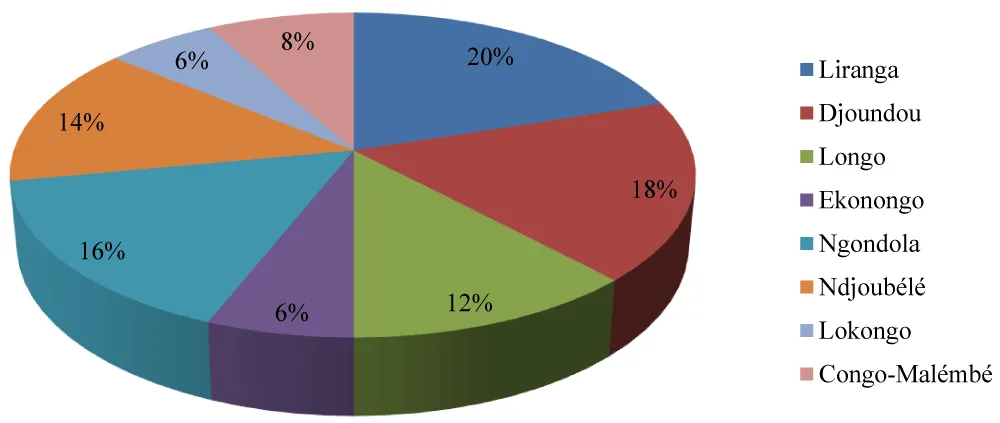
The epidemic, with a case fatality rate of 8.62%, primarily affects men (66%) aged 18 to 29 (64%) living in households of more than 6 people (78%) with a primary education (46%). It is rampant in extremely precarious conditions: total lack of access to drinking water (100%), consumption of untreated water (78%, including 80% from the river and 70% rainwater), and a lack of latrines (92%) leading to open defecation (96%). The situation is exacerbated by the proximity of waterways, intense heat (70%), drought (30%), interdepartmental travel (88%), poor hygiene (92%), self-medication (81%) due to isolation (82%) and widespread rumors (88%), and mistrust of the authorities, particularly in Liranga (20%), Djoundou (18%), and Ngondola (16%). Health management is hampered by sociocultural barriers (82% citing witchcraft), a lack of awareness of symptoms (16%), refusal to perform ritual washing of the deceased (96%), and low vaccine acceptance (38%), with vaccinations administered in only 4 out of 20 localities.
The persistence of cholera in the Congo-Ubangui river corridor is not just a health problem, but the result of a complex system of vulnerability where structural flaws and deep cultural barriers intertwine.
The fight against cholera in this area cannot be limited to a medical response but requires taking into account the holistic and multidisciplinary dimension of the disease.
Cholera, an acute diarrheal infection caused by ingesting water or food contaminated with the bacterium Vibrio cholerae, remains a major public health challenge in sub-Saharan Africa. In the Republic of Congo, after several years of relative calm, an epidemic resurgence has been observed since 2025. It is characterized by rapid spread along the river corridor, particularly in the departments of Brazzaville, Djoué-Léfini, Congo-Ubangui, and Likouala, identified as active transmission hotspots [1].
The dynamics of the disease are intrinsically linked to the ecosystem of the Congo River and its tributary, the Ubangi. These waterways are vital arteries for trade and transport, but also facilitate the transboundary spread of the vibrio between the Republic of Congo and the neighboring Democratic Republic of Congo, where cholera is endemic.
Health districts located along this corridor, such as Impfondo, Liranga, Loukoléla, Mossaka, Île-Mbamou and Brazzaville, have alarming case fatality rates, sometimes reaching 11.7%, compared to a much lower continental average [2-5].
The spread of cholera relies on a complex network of factors. While environmental and climatic factors such as flooding or the warming of surface waters play a major role in the survival of the bacillus, socio-economic and structural factors remain the main vectors of vulnerability for populations. Precarious sanitation infrastructure and poorly structured population density create conditions conducive to rapid transmission [6].
Despite the existence of traditional strategies deployed by the Ministry of Health and Population with the support of partners, based on rehydration and improved sanitation (WASH), logistical limitations and those related to oral vaccination persist challenges [7]; these facts necessitate a rethinking of intervention methods. The continued outbreaks in the Congo-Ubangui department and their spread to the Likouala department, along the Congo-Ubangui river corridor, underscore the need for a thorough analysis of the disease’s contributing factors.
This article aims to analyze the dynamics of the 2026 epidemic in this river corridor, particularly the determinants of the disease, in order to identify integrated control strategies combining technological innovations, enhanced epidemiological surveillance, and community engagement.
The main objective is to assess the epidemiological, environmental, and behavioral determinants of cholera persistence in the Congo-Ubangui river corridor in order to propose sustainable community-based control strategies. To achieve this objective, the specific objectives are to:
- Characterize the socio-demographic profile of at-risk populations;
- Analyze the impact of environmental and ecological factors on transmission;
- Evaluate the influence of behaviors, hygiene and mobility on the spread;
- Define strategies for combating the issue based on the results of the study.
Materials and methods
Type and period of study
This was a cross-sectional study with descriptive and analytical aims. Data collection took place over a period of two (02) weeks and five (05) days from March 27 to April 14, 2026, covering both areas of active outbreaks and localities under surveillance.
Study framework and population
The study was conducted in the Liranga health district, an area characterized by its geographical location along the Congo-Ubangui river corridor. The target population included heads of households or their representatives residing in villages located in the immediate vicinity of the rivers (distance < 50 meters).
Sampling
A two-stage cluster sampling method was used. This consisted of a random selection of villages with active households and a selection of households by random walk. The villages were selected based on the distribution of active cholera outbreaks. The target population includes heads of households and members of households living in the study area.
The sample size was randomized to ensure representativeness. In each household, informed consent was obtained before the questionnaire was administered.
Technical analyses
A visual assessment of turbidity was supplemented by water sampling at the usual points of use (river and well). The samples were subjected to rapid diagnostic tests (RDTs) for Vibrio cholerae.
Study variables
Five (05) groups of variables were analyzed and included:
- Sociodemographic profile: Age, sex, education level and household size.
- Environmental and ecological determinants: Water source, waste management, type of habitat, hydrological regime and impact of recent climatic events. A visual analysis of the water and a measurement of the distance between dwellings and the river were carried out.
- Behavior and mobility: Travel history (14 days), hygiene practices, use of care, distance from health center (in km) and level of trust in health authorities.
- Knowledge and attitudes: Knowledge about the origin, transmission and symptoms of cholera. Assessment of attitudes towards water treatment, funeral rites and the management of the deceased.
- Prevention: Vaccination status (VCO) by locality and perception of vaccination.
Data collection and analysis
Data were collected using a standardized questionnaire administered through direct interviews and participant observation (for sanitation and water analysis). Epi-Info software was used for data entry and SPSS software for statistical analysis. Qualitative variables are presented as counts and percentages.
Judgment criteria
Main judgment criterion: The cholera case fatality rate in the Congo-Ubangui river corridor during the study period.
Secondary judgment criteria:
- The level of knowledge among the population regarding modes of transmission.
- Geographical accessibility to healthcare facilities.
- Adherence to hygiene practices and water treatment.
- Vaccination coverage by locality.
Ethical considerations
In order to guarantee the integrity of the research and the protection of the people involved, this study was conducted in strict compliance with ethical principles, particularly with regard to anonymity and confidentiality.
Anonymity of participants : Anonymity was preserved at every stage of the process. No data allowing direct identification of participants (names, surnames, precise contact details) was collected during the interviews/questionnaires.
Each participant was assigned a unique alphanumeric code used exclusively for data processing and quoting statements in the final report.
Contextual elements that were too specific and likely to reveal the identity of respondents by deduction were modified or generalized.
Information confidentiality: Confidentiality was treated as a contractual obligation towards the participants:
The raw data (recordings, field notes) were stored on a secure medium, accessible only by the research team.
The information collected was used solely for the purposes of this research and will under no circumstances be shared with third parties.
In accordance with applicable standards, files containing sensitive data will be deleted after a period following the publication of the results.
Informed consent: Each participant received an information sheet detailing the objective of the study and their rights. Their participation was based on free and explicit consent, with the possibility of withdrawing from the study at any time without having to provide a reason.
Results
During the period under consideration, the department of Congo-Ubangui reported 557 cases of cholera, of which 48 deaths were recorded, representing a case fatality rate of 8.62%, a figure which illustrates the urgency of early intervention to reduce mortality.
Sociodemographic characteristics (Table 1)
Environmental and ecological determinants (Table 2 )
The hydrological regime is characterized by a predominance of low water, indicating a long period of low water where the flow is at its minimum level, overshadowing the temporary phases of flooding or ebbing.
Visual analysis indicates a predominance of turbid water, characterized by high turbidity, suggesting the presence of suspended particles rather than clear water.
The villages of the Congo-Ubangui river corridor are located in the immediate vicinity of the Congo and Ubangui rivers, with the distance between the dwelling and the river being less than 50 meters.
Behavioral determinants and mobility (Table 3) (Figure 1)
Specific risk factors for the Congo-Ubangui river corridor (Table 4)
Knowledge about cholera (Table 5)
VCO vaccination status by vaccinated locality (Table 6 )
Acceptance of VCO vaccination in the Liranga health district (Table 7,8)
Discussion
Regarding the materials and methodology of the study
The study of the determinants of cholera along the Congo-Ubangui corridor was based on a cross-sectional approach with both descriptive and analytical aims. This dual approach made it possible not only to map the situation at a given point in time, but also to identify the risk factors specific to this complex river ecosystem.
Data collection took place over an intensive 19-day period (March 27 to April 14, 2026). The choice of the Liranga health district was strategic: its pivotal position on the river corridor makes it a prime location for observing epidemic dynamics. The study focused on a zone of maximum vulnerability, targeting populations residing within 50 meters of the riverbanks, where human-river interaction is most direct.
To ensure representativeness despite geographical constraints, a two-stage cluster sampling method was applied. The first stage involved the random selection of villages from among active households and areas under surveillance, and the second stage involved the selection of households using the random walk method. This statistical rigor, combined with the systematic obtaining of informed consent, ensures the ethical and technical validity of the data collected from household heads.
The originality of the approach lies in the triangulation of data including the assessment of turbidity and the use of Rapid Diagnostic Tests (RDTs) for the search for Vibrio cholerae in the points of use (river/well) made it possible to compare the quality of the water with the declarative data and the analysis structured the variables into five pillars: the socio-demographic profile, the ecological determinants, the mobility (key factor on the corridor), as well as the knowledge and attitudes of the populations.
Although robust, the methodology has limitations inherent in its design:
- Memory bias and social desirability bias: The participants’ answers about their hygiene practices may have been influenced by what they considered “correct” in the eyes of the investigators.
- Selection bias: Restricting the study area to the 50-meter strip, while relevant for water risk, must have obscured secondary determinants affecting more remote populations, but using the same river markets.
- Timeframe: The short collection period (19 days) provides an accurate “snapshot” but does not allow for capturing seasonal variations in turbidity and bacterial load in the river.
Regarding the case fatality rate
The 8.62% case fatality rate in the Congo-Ubangui department far exceeds the WHO emergency threshold (<1%), indicating an alarming health situation. From an epidemiological perspective, this excess mortality highlights the acute vulnerability of local healthcare systems, a likely delay in patient care, and the severity of a high-impact pathogen, underscoring the urgent need to strengthen diagnostic capacity and improve access to care.
About Sociodemographic characteristics
The analysis of the socio-demographic characteristics of our sample reveals indicators of vulnerability specific to the Congo-Ubangui corridor area.
Age and gender profile: an active and mobile population: The study shows a predominance of the 18-29 age group (64%) and of the male sex (66%). This result corroborates the observations made during the 2025 epidemic in the Republic of Congo, where the 15-24 age group was the most affected (approximately 19-20% of cases) [8].
The most exposed individuals are young adult males, justifying the male-dominated nature of the sample. This vulnerability of young men is often explained by their high mobility along the Congo-Ubangui corridor for economic activities (fishing, river trade) and increased exposure to untreated water sources during their travels [9].
Education level: a hindrance to prevention: The majority of the study population had only a primary school education (46%) or no education at all (30%), meaning 76% had a low level of education. Studies conducted in Africa demonstrate a strong correlation between low levels of education and the occurrence of cholera [10].
This finding is alarming because education levels are often correlated with knowledge of basic hygiene rules. Low health literacy can limit understanding of prevention messages and encourage the continuation of risky practices.
Household size: overcrowding as a catalyst: The most striking characteristic is the size of households, with 78% having more than six people. This high population density within households is a classic determinant of human-to-human transmission of cholera. If the pathogen is introduced into a household, overcrowding and the sharing of limited resources (latrines, water containers) exponentially increase the risk of secondary outbreaks. In fishing areas along the corridor, where housing is often precarious, this domestic overcrowding exacerbates the risks of unsanitary conditions [11].
Regarding environmental and ecological determinants
Main water source : The river, the main vector and ecological reservoir, is the massive use of the river (80%) as the primary source, which is the major determining factor. Studies in the Congo Basin confirm that the river acts as a «highway» for Vibrio cholerae. Unlike isolated well areas, the river environment provides a prolonged survival environment for the bacterium through sedimentation and biofilms [12]. This heavy reliance on the river exposes populations to upstream-downstream contamination cycles, typical of epidemics spreading from the Democratic Republic of Congo (DRC) to the Republic of Congo along the corridor.
Rainwater, a paradoxical risk factor the high reliance on rainwater (70%), which highlights the lack of drinking water infrastructure. While rainwater is theoretically safe at its source, the literature indicates that its collection in uncovered containers or poorly maintained cisterns in tropical areas becomes a risk factor. In Central Africa, rainfall is correlated with a resurgence of cholera due to soil runoff and overflowing latrines, thus contaminating other water sources. [13] The data suggest increased vulnerability during the rainy seasons.
The wells and the lack of a public network regarding water supply, the low well usage rate (30%), and the complete absence of a public water supply network (0%) confirm a state of extreme health insecurity. The lack of a public network is the most consistent factor in endemic areas. Wells, although less used here than the river, are often shallow open wells in flood-prone areas, vulnerable to infiltration by contaminated surface water. The study shows that the population favors surface water (river/rainwater) over groundwater, probably due to its easy geographical access along the corridor.
The Congo-Ubangui corridor presents an ecological profile of a “diffusion hotspot” where the river dominates the transmission dynamics. The lack of a secure alternative (0% public water supply network) forces households to rely on environmental sources directly subject to climatic fluctuations and upstream fecal pollution.
Waste management: The study reveals a critical situation: 100% of the waste produced by the sample studied ends up either being incinerated illegally or in an open-air landfill.
The omnipresence (100%) of uncontrolled disposal highlights a complete disconnect between the public collection service and users. This result corroborates the work of Tsama et al. (2021) but in similar urban contexts of a Central African country, where inadequate infrastructure and the lack of regularity of garbage collection push households towards autonomous but polluting solutions [14].
The systematic use of open burning is a major source of persistent organic pollutants (dioxins, furans), as illustrated by observations of Pathak (2024) [15]. Our data shows a persistence of the most harmful practices. This suggests a lack of awareness or an absence of viable alternatives for organic and plastic materials.
While some studies on developing cities report collection rates ranging from 30% to 60% (Ferchichi, 2023) [16], the 0% formal waste treatment rate observed here places our study area in a state of absolute environmental emergency. This discrepancy can be explained by geographical isolation coupled with weak community engagement with waste management standards. The fact that 100% of respondents turn to incineration or illegal dumping indicates that these practices are no longer emergency solutions, but have become the social and logistical norm along the Congo-Ubangui river corridor.
Recent weather events : The results indicate a predominant perception of rising temperatures (70%) compared to droughts (30%), which aligns with global IPCC trends while highlighting a high local vulnerability to heat stress [17]. This predominance of “hot droughts” suggests an arid transition phase where rising temperatures accelerate evapotranspiration. The scientific discussion underscores the need to adapt local strategies by focusing on reducing heat stress.
Hydrological regime : The predominance of low water levels aligns with the work of the IRD, which describes the Ubangi River regime as purely tropical, characterized by a single high-water period and a long low-water period (February to April/May). However, our study notes an unusual «predominance,» which could reflect the impact of climate change or inter-annual variability, as highlighted by some authors who mention a decrease in average flows and a lengthening of low-water periods in the Ubangi sub-basin since the 1970s [18].
Visual quality of the water: The water is turbid, suggesting a high sediment load. Turbidity is a classic marker of large tropical rivers. Similar studies on the Senegal River or tributaries of the Congo Basin show that turbidity increases dramatically during the first rains (soil leaching) or due to bank erosion [19,20]. This turbidity may be linked to the soil type of the river or to increased deforestation upstream, increasing sediment input. It poses a major problem for the potability of water without prior treatment, increasing health risks for riverside populations.
Human Geography : The dwellings are located in the floodplain or in the immediate vicinity of the waterways. This configuration is typical of «river corridors» where subsistence activities (fishing, transport, recession agriculture) dictate spatial distribution. This extreme proximity (less than 50 m) underscores increased vulnerability. Although low water levels currently prevail, these populations are on the front line during episodic floods, which are becoming increasingly unpredictable. Furthermore, the combination of “proximity” and “murky water” suggests direct use of surface water of poor quality, promoting waterborne diseases.
Regarding behavioral determinants and mobility
Travel history (last 14 days) : Travel analysis shows high interdepartmental mobility (88%) and an absence of international travel (0%), highlighting the predominance of local exchanges. This mobility pattern, consistent with the data, indicates that the dynamics of spatial diffusion are more influenced by internal flows than by external factors [21].
These results suggest a need for epidemiological surveillance focused on interdepartmental movements, as supported by work on the risks of local transmission [22].
Hand hygiene practices : Our results show a very low frequency of hand washing, with 92% (92) of participants washing their hands less than 2 times a day, and only 8% (4) of participants more than 2 times.
This finding highlights poor adherence to basic hygiene practices. This rate is lower than recommended standards and contrasts sharply with other studies in healthcare settings where adherence, although incomplete, is often higher [23; 24]. This low frequency can be explained by similar factors identified in the literature, notably the limited availability of water, soap, or alcohol-based hand rubs (ABHRs), which are major determinants of adherence [23,24].
This study highlights a potential gap between awareness of the importance of handwashing and its actual implementation, a phenomenon commonly identified in knowledge assessments. The very low frequency of handwashing observed (< 2 times) constitutes a high risk of cross-transmission of germs and the occurrence of infections.
It is important to note that this assessment may be based on self-reported data, which could be subject to social desirability bias. Strengthening hand hygiene training and improving access to handwashing facilities are crucial.
Access to care : The predominance of the very high rate of self-medication (81%) aligns with the literature on street drug (SDR) use in Africa, often justified by the low financial accessibility of formal healthcare facilities. However, it is higher than the averages of some studies, suggesting a highly vulnerable general population [25,26].
Low utilization of health centers (5%). This highlights a crisis of confidence or significant barriers to access (geographic, financial). This confirms data showing underutilization of health services in sub-Saharan Africa [27], beyond the poor health coverage in the Liranga health district. The use of traditional healers, although in the minority, confirms the persistent role of traditional medicine, valued for its cultural proximity. Unlike contexts where the hospital is the first point of contact, here the formal system is neglected in favor of individual or traditional solutions. A restructuring of the provision of local healthcare is necessary to counter the widespread self-medication in the Congo-Ubangui river corridor.
Health information : The predominance of word-of-mouth (88%) as the primary source of information about the epidemic highlights the dominance of traditional social media over official media, a phenomenon that fosters the spread of rumors. The limited role of community health workers (22%) leaves an information gap, underscoring the need to strengthen community-based surveillance to ensure effective prevention.
Distance from the nearest health center in km : With 82% of the sample residing more than 5 km from a health center, the study highlights a major geographical isolation, exceeding the accessibility thresholds recommended by the WHO. This remoteness, comparable to data in the literature for isolated rural areas, constitutes a critical barrier, increasing transportation costs and contributing to delays in seeking care or abandonment of treatment. This result suggests delays in care and underutilization of health services, requiring decentralization strategies.
Trust in health authorities : The results indicate a crisis of confidence in health authorities, with 72% of participants expressing distrust (40% «None», 32% «Poor»), compared to only 28% expressing «Good» trust. This high level of distrust aligns with recent post-COVID trends and systematic reviews identifying institutional distrust as a major barrier to vaccination [28]. Comparison with international data highlights that this trend is exacerbated by strong social polarization and the circulation of contradictory information.
Identification of active outbreaks: The identification of eight cholera outbreaks in twenty localities along the Congo-Ubangui corridor reveals a prevalence of 40%, confirming the river’s role as a vector of transmission rather than simply a border. This high level of rural spread, exceeding that of past crises, highlights the ineffectiveness of isolated interventions in the face of water connectivity that transforms the corridor into an «epidemic highway.»
This situation, characterized by high community mortality due to late access to care and precarious sanitation, requires targeted interventions in fishing areas and the strengthening of oral rehydration stations.
Comparing these results with the literature, the strong correlation between contamination and raw water use underlines the need for cross-border and multi-sectoral measures, beyond the usual targeted strategies [29].
Regarding the specific risk factors of the Congo-Ubangui river corridor
Usual drinking water source : The study reveals a drinking water crisis characterized by a predominance of direct consumption of water from the Congo/Ubangui River (78%) without treatment, far exceeding national averages. Compared to the work of another African author [30], the results highlight the high vulnerability of riverside communities and the low adoption of domestic water purification methods, exacerbating the risks of waterborne diseases.
Sanitation practices : The high prevalence of open defecation (96%) and the low rate of latrine use (8%) reveal a critical health risk, consistent with cultural norms observed in other riverine areas. The infrequency of handwashing with soap (16%) exacerbates vulnerability to fecal-oral diseases, necessitating interventions focused on behavior change.
Knowledge and perceptions about cholera
Origin of the disease : The prevalence of witchcraft as a cause of cholera is a challenge to public health. The widespread belief in witchcraft (82%) observed in our sample is reported in some similar studies [31]. This perception is often explained by the suddenness and severity of symptoms (profuse watery diarrhea, rapid dehydration), which, for many, can only be the result of a mystical “attack” rather than a natural biological process. These beliefs can lead to critical delays in seeking care, with patients turning first to traditional healers before seeking medical help.
Only 12% of participants identified cholera as an infectious disease. This result is concerning when compared to data from the World Health Organization, which unequivocally defines cholera as an infection caused by the bacterium Vibrio cholerae through contaminated water or food. This discrepancy between scientific knowledge and popular belief reflects a lack of communication regarding health.
The 6% who attribute the illness to divine intervention reflect a fatalistic view. “God’s will” or “ancestral wrath” are recurring themes that often serve as coping mechanisms in the face of an uncontrollable threat. Although a minority view here, this perception reinforces the idea that the illness is seen as an “injustice” or a social punishment rather than a sanitation issue.
Our results highlight a major disconnect between local perception and biomedical etiology. While modern science identified the cholera reservoir (the Ganges Delta) and its mode of transmission as early as the 19th century, thanks to Filippo Pacini and John Snow [32], a large portion of the studied population remains entrenched in a symbolic and social interpretation of the disease. To improve community resilience, it is imperative to integrate these social representations into cholera control strategies.
Transmission of cholera : The prevailing belief in blood transmission suggests confusion with other endemic diseases in the region. This tendency corroborates Dupont’s observations [33] in a similar study, where a large proportion of the population mistakenly attributed diarrheal symptoms to non-fecal-oral causes. This lack of differentiation between infectious diseases constitutes a major obstacle to primary prevention measures.
Only 16% (8 people) of participants identified dirty hands (fecal contamination) as a transmission vector. This low recognition of the importance of hand hygiene often explains the persistence of outbreaks: if the population does not perceive the risk associated with hand contact and the consumption of contaminated water, the adoption of preventative measures remains marginal.
The other causes (conversation with the patient: 6%; sexual contact: 4%) demonstrate the persistence of misconceptions. Although these responses are in the minority, they reflect the potential stigmatization of patients. These false beliefs are often linked to low literacy levels or inadequate communication from health services during previous epidemics.
Knowledge of the signs of the disease: With only 16% of respondents identifying cholera symptoms, the results reveal a major knowledge gap that hinders early recognition of the disease. Lack of awareness of severe symptoms increases the risk of delayed healthcare access, highlighting the need for community-based educational interventions.
Regarding the status of the VCO vaccination and its acceptance in the Liranga health district
Cholera vaccination in 3 out of 20 localities limits herd immunity and risks covering only a small portion of the total population. While this limited coverage may reduce the local severity of cases, complementary WASH interventions are essential for the sustainable management of the epidemic.
With an acceptance rate of 38% observed in this study, hesitancy or refusal of the cholera vaccine (62%) is high, demonstrating significant mistrust in endemic areas. This low adherence, often linked to safety concerns and a lack of information, underscores the need to strengthen public health communication to overcome barriers to vaccination, even though the vaccine is an effective control measure.
Regarding attitudes towards water and funeral rites
With 84% of participants consuming untreated river water, this study highlights a high health risk, aligning with peri-urban studies showing a high prevalence of waterborne diseases due to untreated consumption practices. This direct consumption leads to significant morbidity, particularly from microbiological pathogens, making home water purification methods essential for public health.
With 96% of responses, traditional community-based management of the ritual washing of the deceased stands out as a strong cultural norm, acting as a rite of passage and a mark of respect, compared to institutionalized practices. While these rituals strengthen social cohesion, direct handling poses health risks, necessitating a balance between tradition and universal safety precautions.
Regarding the prospects for combating cholera in the Congo-Oubangui river corridor
Monitoring and early warning via voice communication: The Congo-Oubangui river corridor suffers from unstable mobile network coverage. The use of fixed voice communication (HF/VHF radio) is the most resilient solution. This will involve:
- Entrusting radio broadcasting to the Health Committees (COSA) will allow for more localized alerts at the village level. They can report any suspected cases of diarrhea to the district health authority in real time. Unlike satellite communication, radio broadcasting does not incur recurring communication costs, thus ensuring the system’s sustainability after the departure of financial partners.
- Strengthen epidemiological surveillance in a comprehensive and integrated manner by:
- Monitoring the flow of fishermen and floating markets via movement-based surveillance;
- Facilitating the integration of this data at the operational level of the Liranga health district, where it will be reported and consolidated via DHS2 for rapid action.
Securing water through local systems (WASH)
River water is the main source of drinking water, but also the vector for the Vibrio bacteria. The idea is to create simplified stationary units:
- Use small motor pumps to draw water, stored in 200L plastic drums or 1000L tanks, so that communities in these localities can draw water from outside the river to limit direct contamination.
- Distribute plastic drums for safe water storage and organize community chlorination points.
- Carry out systematic chlorination by trained community agents. This is a “low-tech” model that is easy to repair locally without relying on heavy logistics from Brazzaville.
- Promote the use of filtered water with a clean cloth and then boiled or chlorine tablets, adapted to the context of riverbanks.
Healthcare facilities (FOSA) made from local materials
Transporting cement and sheet metal to remote areas of the corridor is expensive and slow.
- Construct/Rehabilitate FOSA (Health Facilities), public/family latrines and staff housing, where appropriate, using local materials (earth bricks, local wood, thatch) that comply with standards.
- Design structures that facilitate the patient circuit (clean zone/contaminated zone) while using materials that maintain a bearable internal temperature for patients.
- Install simple oral rehydration stations in each village.
Strengthening human capital
Healthcare workers often flee these isolated areas.
- Prioritize the recruitment of local sons and daughters who have an elementary level of education and are already resilient to riverine living conditions.
- Group this staff into an operational group (nurses, community liaisons (RECO), and COSA members) and train them in the detection, initial care, and transfer of patients.
- Strengthen teams according to the CATI (Cholera Aggressive Tailored Intervention) strategy for rapid responses at the household level.
- Implement isolation bonuses or rotation mechanisms to prevent burnout.
Congolese normative and operational framework
It is crucial to standardize the response to avoid improvisation:
- Update, harmonize, and validate strategic (contingency plans) and operational (care guide) docusments that take into account the reality on the ground, including river-specificities (remoteness, rehydration protocols in dugout canoe-ambulance).
- Translating prevention messages into local languages for better support from local populations.
- Moussounda J, Okoko A, Ondongo A, et al. Resurgence of cholera in the Republic of Congo: analysis of the spread along the Likouala river corridors in 2025. Rev Epidemiol Sante Publique. 2025;73(2):100-8.
- Ndinga MK, Ntoumi F. Epidemiological characteristics of cholera along the Congo River: challenges of cross-border surveillance between Congo and DRC. J Epidemiol Sante Publique. 2024;12(2):145-52.
- Nkoua Mbon JB, Ndinga Okina AL, Nanfack AJ, Koueta P. Epidemiological characteristics and risk factors associated with cholera epidemics along the Congo-Oubangui river corridor in the Republic of Congo. Rev Epidemiol Sante Publique. 2022;70(4):185-92.
- World Health Organization Regional Office for Africa. Weekly bulletin on epidemics and other emergencies: week 29 (14-20 July 2025) [Internet]. Brazzaville: WHO Regional Office for Africa; 2025 [cited 2026 Mar 3]. Available from: https://iris.who.int/bitstreams/1567939d-b726-4185-992f-0eec3d882f61/download
- World Health Organization. Cholera, 2023. Wkly Epidemiol Rec [Internet]. 2024 Sep 6 [cited 2026 Apr 3];99(36):469-92. Available from: https://cdn.who.int/media/docs/default-source/dco/wer_36_2024_cholera-annual-report-for-2023_bilingual-proof.pdf
- Mbala JM, Nsanzabana C, Kayembe PK, Situakibanza HN. Epidemiological profile and risk factors of waterborne diseases among populations living along the Congo River. Rev Espere Sante Publique. 2022;14(2):112-25.
- Ministry of Health and Population. Annual report on the epidemiological situation [Internet]. Brazzaville: Ministry of Health and Population; 2023 [cited 2026 Mar 6]. Available from: https://sante.gouv.cg
- International Federation of Red Cross and Red Crescent Societies. Congo: cholera epidemic DREF final report (MDRCG025) [Internet]. Geneva: IFRC; 2026 Mar 31 [cited 2026 Apr 4]. Available from: https://reliefweb.int/report/congo/congo-cholera-epidemic-dref-final-report-mdrcg025
- Bompangue D, Giraudoux P, Handschumacher P, Piarroux M, Hernández B, Sudre B, et al. Lakes as a source of cholera outbreaks, Democratic Republic of Congo. Emerg Infect Dis. 2008;14(5):798-800. Available from: https://doi.org/10.3201/eid1405.071260
- Okitandjate AD, Okenge L, Lunguya O, Mwembo A, Aruna A, Minikulu L, et al. Determinants of cholera morbidity and mortality in Lubumbashi, Democratic Republic of Congo: an unmatched case-control study. Eur Sci J. 2022;18(21):65. Available from: https://doi.org/10.19044/esj.2022.v18n21p65
- Amenyido ADN, Dompe K, Akolly K, Natchaba R, Degue J, Attah M, et al. Investigation of cholera cases in the Lake District, Togo, 2021. Research. 2025 Sep 1;8(Suppl 11):16. Available from: https://afenet-journal.org/investigation-des-cas-de-cholera-dans-le-district-des-lacs-togo2021-outbreak-investigation/
- Ciraane UD, Mutua BM, Abdelbaki C, Boumazzza T. Performance indicators of water supply network of Goma Township in the Democratic Republic of Congo: a tripartite assessment. Appl Water Sci. 2022;12(6):158. Available from: https://link.springer.com/article/10.1007/s13201-022-01676-6
- Water Solidarity Program (pS-Eau). Sustainable waste management and urban sanitation [Internet]. Paris: pS-Eau; 2004 [cited 2026 Apr 8]. Available from: https://bdd.pseau.org/outils/ouvrages/pseau_gestion_durable_dechets_assainissement.pdf
- Tsama Njitat V, Atékoa Mbarga FBN, Kom Meliphe F, Tchékoté H. Environmental impacts of single-use disposable diaper waste in the city of Yaounde. Int J Innov Appl Stud. 2021;32(2):303-12. Available from: https://ijias.issr-journals.org/abstract.php?article=IJIAS-21-012-03
- Pathak G, Nichter M, Hardon A, Moyer E. Open burning of plastic waste is an urgent global public health problem. Ann Glob Health. 2024 Jan 12;90(1):3-8. Available from: https://doi.org/10.5334/aogh.4232
- Ferchichi S, Hamade F, Nsabymva C, Bagula N. Study on waste management in the main cities of the Lake Tanganyika basin and liquid sanitation in Bujumbura: final report [Internet]. Bujumbura: Stantec; 2023 Mar [cited 2026 Apr 8]. Available from: https://www.eeas.europa.eu/sites/default/files/documents/2023/Etude%20-%20version%20en%20fran%C3%A7ais.pdf
- Organisation for Economic Co-operation and Development. Climate Action Observer 2025: how vulnerable are countries to climate risks? Paris: OECD Publishing; 2025 Nov 6. Available from: https://www.oecd.org/en/publications/2025/11/the-climate-action-monitor-2025_aed0c4bb/full-report/how-vulnerable-are-countries-to-climate-risks_92df65fe.html
- Nguimalet CR. Rainfall dynamics and flow on the Ubangi River at Mobaye, Central African Republic: evidence of varied hydrological behaviors of the basin. Geo-Eco-Trop. 2021;45(2):311-22.
- N'diaye AD, Thiam O, Ould Kankou MOSA, Ibno Namr K. Turbidity and suspended matter in water: application to the assessment of metals contained in the water of the right bank of the Senegal River. Larhyss J. 2013;(14):93-105. Available from: https://www.researchgate.net/publication/305280631_TURBIDITE_ET_MATIERES_EN_SUSPENSION_DANS_L'EAU_APPLICATION_A_L'EVALUATION_DES_METAUX_CONTENUS_DANS_L'EAU_DE_LA_RIVE_DROITE_DU_FLEUVE_SENEGAL
- Moukandi N'kaya GD, Laraque A, Paturel JE, Gulemvuga G, Mahé G, Tshimanga RM. A new look at hydrology in the Congo Basin, based on the study of multi-decadal chronicles. Proc IAHS. 2022;384:143-9. Available from: https://doi.org/10.5194/piahs-384-143-2022
- Mfewou A. Dynamics of urban mobility in three metropolises of Central Africa: Kinshasa, Douala, and Brazzaville. Eur Sci J. 2026;22(8):98. Available from: https://doi.org/10.19044/esj.2026.v22n8p98
- World Health Organization, Centers for Disease Control and Prevention. Technical guidelines for integrated disease surveillance and response in the African region [Internet]. 2nd ed. Brazzaville: WHO Regional Office for Africa; Atlanta (GA): CDC; 2010 Oct [cited 2026 Apr 9]. Available from: https://iris.who.int/handle/10665/204603
- Dantoumé Touré O. Evaluation of hand hygiene knowledge in the Reference Health Center of Commune III (Bamako). Health Sci Dis. 2023;24(2). Available from: https://doi.org/10.5281/hsd.v24i2.4200
- Longembe EB, Kitronza PL. Compliance with hand-hygiene practice in the General Reference Hospitals of the city of Kisangani, Democratic Republic of the Congo. Pan Afr Med J. 2020 Feb 26;35:57. Available from:
- Bashige Chiribagula V, Manya Mboni H, Bakari Amuri S, Sangwa Kamulete G, Kahumba Byanga J, Duez P, et al. Prevalence and characteristics of self-medication among students aged 18 to 35 years residing at the Kasapa Campus of the University of Lubumbashi. Pan Afr Med J. 2015 Jun 9;21:107. Available from: https://doi.org/10.11604/pamj.2015.21.107.5651
- Okouma D, Mboko Ibara SB. Determinants of self-medication in reproductive health among adolescent girls and young women in the city of Brazzaville, Republic of Congo. J Epidemiol Popul Health. 2024 Jul;72(Suppl 3):11-3.
- Manya KK, Ndjakani PN, Masengo PL, Ndoy NK, Mbutshu HL, Manya DT. Factors limiting the use of healthcare services by households in Lubumbashi, Democratic Republic of Congo. Rev Infirm Congolais. 2023;7(1):17-22. Available from: https://doi.org/10.62126/zqrx.2023714
- Autran B, Combadière B, Launay O, Legrand R, Locht C, Tangy F, et al. Joint session of the National Academy of Medicine and the Academy of Sciences: trust and distrust of vaccines. Bull Acad Natl Med. 2019 Jun 18;203(1):259-72. French. Available from: https://doi.org/10.1016/S0001-4079(19)30502
- Taty N, Bompangue D, de Richemond NM, Muyembe JJ. Spatiotemporal dynamics of cholera in the Democratic Republic of the Congo before and during the implementation of the Multisectoral Cholera Elimination Plan: a cross-sectional study from 2000 to 2021. BMC Public Health. 2023 Aug 22;23(1):1592. Available from: https://doi.org/10.1186/s12889-023-16449-2
- Akedjaliah Fea, N'guessan YF. Water supply and health of rural populations: the case of Attehou (Agboville-Côte d'Ivoire). Int J Adv Res. 2024 Oct;12(10):507-17. Available from: https://www.journalijar.com/article/50662/approvisionnement-en-eau-et-sante-des-populations-rurales-le-cas-dattehou-agboville-cote-divoire/
- Bhebhe M. Demons and witchcraft in Africa. Kinshasa: Éditions Médiaspaul; 2008.
- Global Task Force on Cholera Control. Facts about cholera [Internet]. Geneva: GTFCC; 2024 [cited 2026 Apr 24]. Available from: https://www.gtfcc.org/fr/a-propos-du-cholera/faits-sur-le-cholera
- Dupont A, Traoré B, Smith J. Popular perceptions of diarrheal diseases in rural areas. Rev Sante Publique. 2022 May 10;15(3):145-52.


 Save to Mendeley
Article Alerts
Subscribe to our articles alerts and stay tuned.
 This work is licensed under a Creative Commons Attribution 4.0 International License.